REVIEW · WASHINGTON
Alpaca Ranch and Fiber Processing Mill Tour
Book on Viator →Operated by Tahoma Vista Fiber Mill · Bookable on Viator
If you like hands-on animal encounters and real-world crafts, this tour hits both. You’ll meet resident alpacas up close, then see how their fiber becomes finished products at Tahoma Vista Fiber Mill. It also ends with a shopping stop, so you can turn what you learned into something you take home.
Two things I really like here: the chance to hand-feed the alpacas and get that face-to-face moment, and the fact that you’ll tour a working fiber processing mill, not just a showroom. It’s also family-friendly without feeling watered down. One thing to consider: because this runs in all weather, wear layers and be ready for outdoor time and farm conditions.
In This Review
- Key Highlights You’ll Care About
- Alpaca Ranch Meets a Real Fiber Processing Mill
- What the 90 Minutes Feels Like on the Ground
- Stop 1: Close-Up Alpaca Time at La Vida Alpaca
- A practical note for comfort and safety
- Then You’ll Step Into Tahoma Vista Fiber Mill
- Boutique Shopping: Turning Learning Into Purchases
- Why the Private, Small Group Size Matters
- Weather-Ready for the Pacific Northwest
- Value for $37.50: What You’re Actually Paying For
- Who This Tour Suits Best
- A Few Details That Help You Prepare
- Should You Book This Alpaca Ranch and Fiber Mill Tour?
- FAQ
- How long is the Alpaca Ranch and Fiber Processing Mill Tour?
- How much does the tour cost?
- Where does the tour start?
- Is admission included in the price?
- Is this a private tour?
- How many people can be in a booking?
- Does it run in bad weather?
- What language is the tour offered in?
- How soon will I get confirmation after booking?
- Is free cancellation available?
Key Highlights You’ll Care About
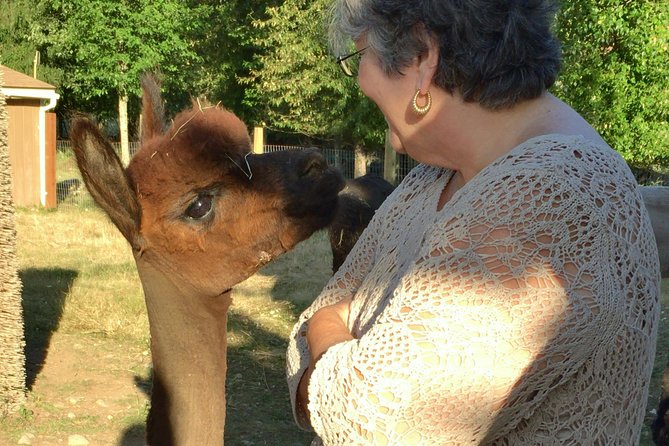
- Hand-feed the alpacas and get close enough to really observe their behavior
- Small, private group experience with a max of 10 people per booking
- Fiber mill tour showing how raw alpaca fiber becomes finished alpaca goods
- Boutique shopping time at the end to browse mill-made alpaca wool items
- Weather-proof planning since it operates in all weather conditions
- 90 minutes total gives you a focused outing without eating your whole day
Alpaca Ranch Meets a Real Fiber Processing Mill
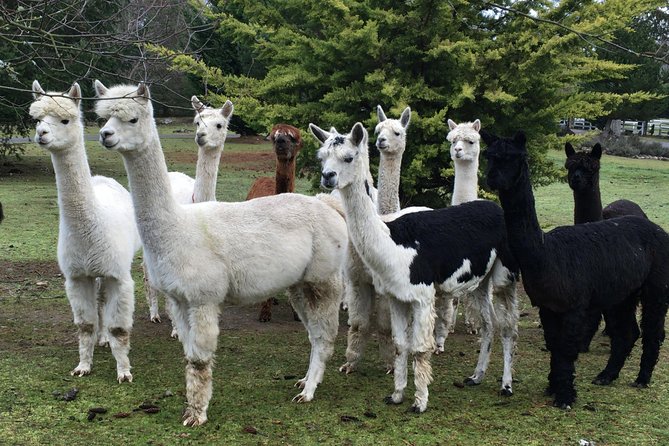
This is one of those activities that feels simple on the surface, then turns surprisingly educational. You start with the animals—gentle, curious alpacas that make farm time feel like a mini field trip. Then the tour pivots to the craft side: you’ll see the steps behind fiber processing and how the finished goods are made and sold.
What makes it especially worth your attention is the pairing. A lot of alpaca experiences focus only on cuddles, or only on shopping. Here, you get both the living source (the herd) and the work behind the wool (the mill). That context makes what you buy at the end feel more meaningful, not just like another souvenir stop.
The other big plus is the personal feel. This is a private tour/activity, and your group will be the only group participating. With a max of 10 people per booking, you’re less likely to feel rushed or lost in a crowd, which matters a lot when you’re trying to get close to animals and then listen during a hands-on style mill visit.
What the 90 Minutes Feels Like on the Ground
This outing runs about 1 hour 30 minutes. For planning, that’s long enough to do the full arc—alpacas, mill steps, then boutique shopping—without turning into a half-day commitment.
You’ll start at 15631 159th Ln SE, Yelm, WA 98597. The activity ends back at the meeting point, which is handy if you’re road-tripping through Washington and don’t want to shuffle taxis or plan extra transport.
Also, you’ll want to budget a little patience for animal pacing. Alpacas are calm, but they’re still animals. Sometimes they come close, sometimes they take a lap, and sometimes they act like you’ve never existed in their lives. That’s part of the charm. If you’re with kids, plan for short attention spans and expect the experience to flow in small moments.
Stop 1: Close-Up Alpaca Time at La Vida Alpaca
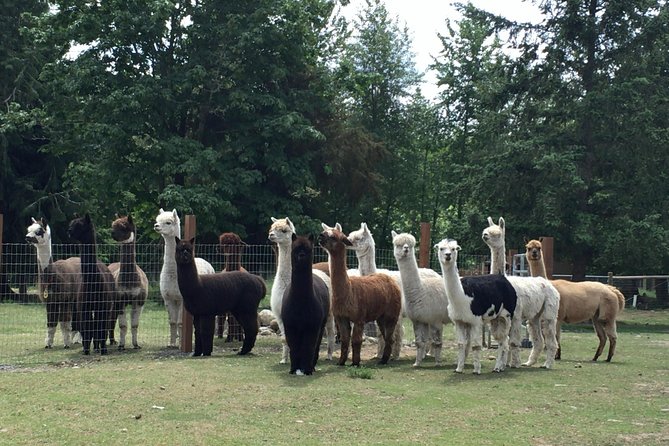
The first part is built around meeting and hand-feeding the alpacas close up. If you’ve ever watched alpacas in photos and thought, I wonder what they’re actually like, this is where the question gets answered fast.
Here’s why this stage is so valuable: it turns alpaca-watching from passive to active. You’re not just looking from a distance. You’re learning body language in real time—how they approach, how they respond to a calm hand, and how their curiosity shows up when you give them a moment.
Hand-feeding also tends to be a great equalizer for groups. Adults often love learning the basics of how the animals are cared for, while kids usually remember the moment they got that close. Either way, it’s a high-impact start.
A practical note for comfort and safety
Because it’s a working farm environment, dress for getting a bit farm-dusty and plan for outdoor conditions. The tour operates in all weather, so you’ll want layers and shoes that handle uneven ground. If you’re traveling in rainy months around Washington, a light rain layer and grip-friendly shoes can make a big difference.
Then You’ll Step Into Tahoma Vista Fiber Mill
After the alpacas, the tour moves into the mill world at Tahoma Vista Fiber Mill. This is where the experience earns its name as more than a petting stop.
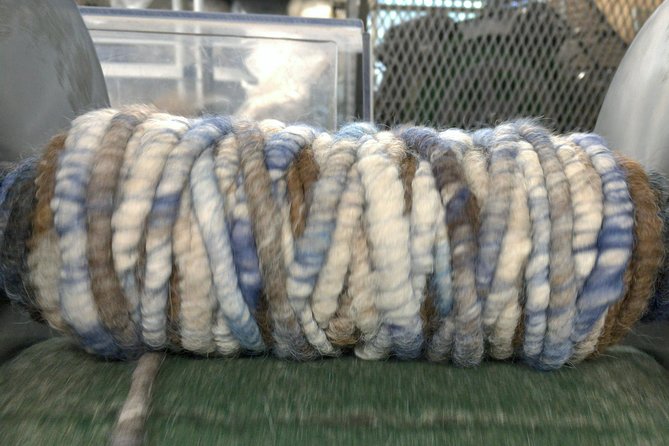
You’ll tour a small fiber processing mill and see how finished products are made. That means you’re not only learning that alpaca wool exists—you’re learning how it gets from raw fiber to something usable, wearable, and market-ready.
Even if you’re not a textile person, this part tends to click. Seeing fiber processing with your own eyes makes it feel logical. You stop thinking of wool as just something that comes from a store shelf and start understanding it as a process. And once you’ve seen the steps, shopping at the end becomes more informed.
One useful angle: this kind of mill tour helps you understand why some alpaca wool goods feel different from others. You can’t fully judge quality without seeing how fiber is handled, so even a short tour can give you a better eye for what you’re buying.
Boutique Shopping: Turning Learning Into Purchases
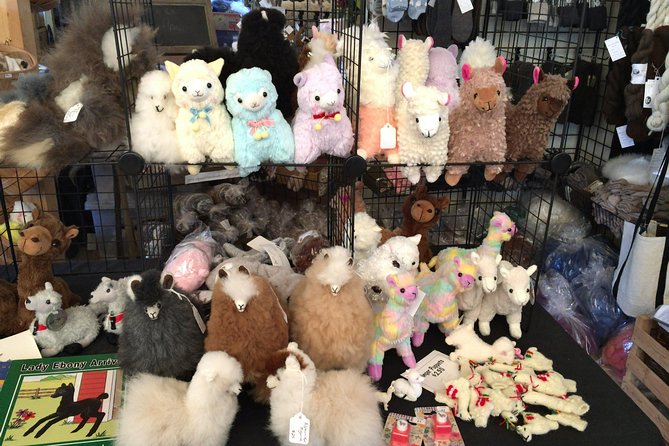
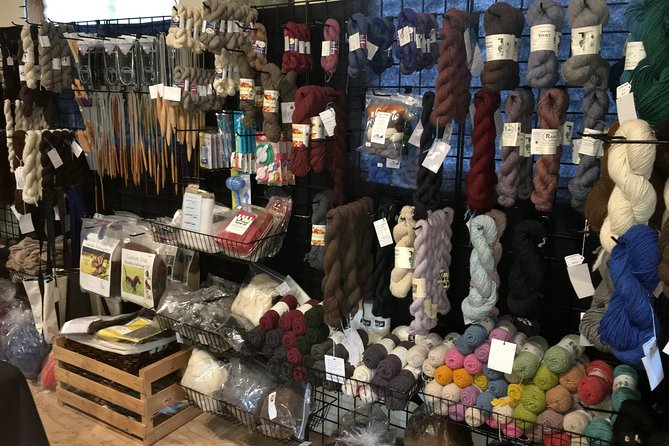
At the end of the experience, you’ll have the chance to shop in an alpaca boutique. This is a real-world advantage of scheduling the mill tour before you shop. By the time you reach the store, you’ve already seen the process, so you know what questions to ask and what details to notice.
This is also where you can match your purchases to your interest:
- If you’re focused on fiber, you’ll likely gravitate toward yarn and items that highlight wool processing.
- If you’re shopping for comfort, you’ll probably look for finished goods you can wear or use right away.
Since admission is included in the ticket price, the boutique stop feels like a natural add-on rather than a forced sales moment. You can browse, compare, and decide without the feeling that you’re paying extra for the pleasure of learning.
Why the Private, Small Group Size Matters
A max of 10 people per booking is a big deal for this kind of experience. When the core elements are animal interaction and a processing tour, you want enough room for movement and enough quiet time to hear explanations.
A private tour also means the pace can feel more human. You’re less likely to get swept through in a rush. It also tends to make it easier to manage questions—especially if you’re bringing kids who want to ask why something happens at the mill stage.
If you’re traveling as a family, this is the kind of setup that usually keeps everyone engaged. If you’re traveling as a couple or a group of friends, it often feels like a personalized outing rather than a generic stop on a long itinerary.
Weather-Ready for the Pacific Northwest
This tour operates in all weather conditions, which is both a blessing and a heads-up. The blessing is obvious: you don’t have to scrap plans every time clouds roll in. The reality is that farm visits don’t pause just because it’s raining.
So plan like a Washington local. Wear layers you can adjust, bring a light rain layer if needed, and choose shoes that won’t slip. If you’re sensitive to cold, keep a warm layer in your day bag. If you’re prone to overheating, wear breathable layers so you stay comfortable while you’re walking between areas.
The practical takeaway: you’ll likely spend time outdoors for the alpaca portion, and that portion sets the tone for the whole trip.
Value for $37.50: What You’re Actually Paying For
At $37.50 per person, this is priced like a focused, activity-based experience with real access: animal time plus a fiber mill tour plus admission included, and then a boutique shopping opportunity.
The value isn’t only the price tag. It’s the structure:
- You get animal interaction that’s more than just observing.
- You get an industrial craft visit that explains how fiber becomes product.
- The tour ends with shopping that’s better informed because you’ve seen the process first.
For families, that matters because one outing can keep multiple interests covered—animals for the kids, craft/process learning for adults. For solo travelers, it’s a compact way to get an educational experience that’s still fun and not overly academic.
In other words, you’re paying for a guided experience where you’re allowed into the flow of farm life and fiber production, not just a view from outside.
Who This Tour Suits Best
This is a great fit if you:
- Love animals and want more than a brief look
- Want something hands-on and visual that’s easy to understand
- Enjoy learning how everyday goods are made
- Are traveling with kids who get excited about animals and want a tangible moment
- Like buying products with a story and process behind them
It also works well for visitors who don’t want to spend a full day driving between stops. At about 90 minutes, you can slot it into a road trip without wrecking your schedule.
A Few Details That Help You Prepare
Because this is an outdoor farm visit in Yelm, you’ll have better results if you come ready to move a bit and stand or walk in farm surroundings.
I’d also plan to wear simple, comfortable clothes. Farm environments are busy places, and you want to focus on the alpacas and the mill—not on adjusting your outfit every ten minutes. If you’re bringing kids, pack a snack and water just in case you’re hungry during the transition between alpaca time and the mill.
Finally, consider arrival mindset. Alpacas run on their own clock, and mill tours run on their workflow. If you’re flexible, you’ll enjoy it more. If you treat it like a strict timetable, it can feel slightly slower than expected—but that’s normal for farm-based experiences.
Should You Book This Alpaca Ranch and Fiber Mill Tour?
If you want a short, high-impact outing in the Yelm area that mixes animal time with real fiber know-how, I think you’ll like booking this. The best reason to go is the combination: alpacas up close first, then a working fiber processing mill, then shopping with context.
You might skip it only if you strongly prefer large-city attractions or you dislike outdoor farm conditions. But if you’re flexible on weather and you’re excited by the idea of learning how alpaca wool becomes a finished product, this tour is a smart use of time—and it’s hard to beat the face-to-face alpaca experience for the price.
FAQ
How long is the Alpaca Ranch and Fiber Processing Mill Tour?
It lasts about 1 hour 30 minutes.
How much does the tour cost?
The price is $37.50 per person.
Where does the tour start?
The meeting point is 15631 159th Ln SE, Yelm, WA 98597, USA.
Is admission included in the price?
Yes, admission ticket is included.
Is this a private tour?
Yes. It’s private, and only your group will participate.
How many people can be in a booking?
There is a maximum of 10 people per booking.
Does it run in bad weather?
It operates in all weather conditions, so you should dress appropriately.
What language is the tour offered in?
The tour is offered in English.
How soon will I get confirmation after booking?
You should receive confirmation within 48 hours of booking, subject to availability.
Is free cancellation available?
Yes. You can cancel up to 24 hours in advance for a full refund.
If you tell me when you’re visiting Washington (month is enough) and whether you’re traveling with kids, I can help you decide the best time of day to schedule this so the weather and animal timing work in your favor.