REVIEW · CUSCO
Horseback Riding Plus Tour to Sacsayhuaman, Quenqo, Puka Pucara and Tambomachay
Book on Viator →Operated by Horseback Riding Cusco · Bookable on Viator
Cusco can feel like a lot of walking. This tour mixes horseback riding with visits to major Inca sites just outside town, and it moves at a friendly pace. You also get real talk about what you’re seeing, with guides like Benni, Jenny, and Hogler earning standout praise.
What I love most is how the day connects the stones to the people. You’ll get history and religious context at Sacsayhuaman, Puka Pucara, Tambomachay, and Qenqo while you’re still surrounded by the same views the Incas used.
One thing to factor in: the archaeological entrance fees and the Cusco tourist ticket are not included. Budget extra cash on top of the $95, and know the horses don’t go through the archaeological zones themselves.
In This Review
- Key Things I’d Book This For
- Why Horseback Beats Another Van Tour from Cusco
- How the Day Flows: Sacsayhuaman to Q’enqo in One Ride-Friendly Arc
- Sacsayhuaman: The First Big Hit of Inca Stone
- Puka Pucara: A Smaller Stop That Changes the Mood
- Tambomachay: Where Water and Ritual Energy Often Come Up
- Vieja Estancia Ranch: The Ride Part You’ll Remember
- Q’enqo: Ending with a Sacred-Site Feeling
- Price and Value: $95 Plus What You’ll Still Pay
- What’s Included (and Why It’s Not Just Checkboxes)
- Timing, Group Size, and How Smooth It Feels
- What to Wear and Bring for a Comfortable Ride
- Who This Tour Fits Best (and Who Might Want a Different Plan)
- Should You Book This Horseback-Plus-Inca Tour?
- FAQ
- How long is the horseback riding plus Inca sites tour?
- What does it cost?
- What is included in the tour price?
- Are the Cusco tourist ticket and site entrances included?
- Is the horseback riding part beginner-friendly?
- How long will I ride horseback?
- What should I wear and bring?
- What are the weight and age limits?
- What happens if weather is bad?
- Is there a free cancellation window?
Key Things I’d Book This For
- Horse matching that fits your comfort level: beginners and experienced riders get horses picked for how confident they are.
- A real ranch ride, with safety gear included: you get a saddle and helmet, plus a muleteer to look after the horses.
- Inca sites in a tight half-day plan: four major stops around Cusco, with time kept practical rather than rushed.
- Guide-led explanations that make the ruins click: guides like Benni and Hogler are frequently singled out for clear, confident answers.
- The best part is the mix: the riding gives you a different angle on Cusco than a standard van tour.
- Small group size: capped at 15 travelers, which helps keep the ride and stops from feeling chaotic.
Why Horseback Beats Another Van Tour from Cusco
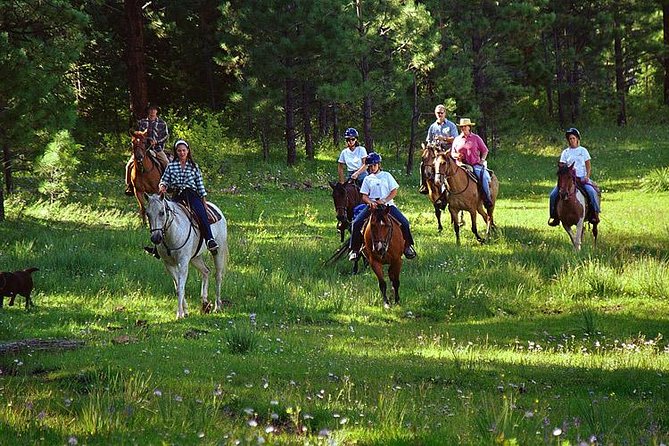
I get why you might want a break from city streets and stairs. On this experience, you trade some pavement for time on Peruvian horses and mountain trails, while still hitting the key Inca sites near Cusco.
The value isn’t just that you see ruins. It’s that the day is split into two different modes: guided stops for the archaeology, then an out-in-the-open ride where you can actually absorb the altitude air and big mountain views.
The other quiet win is the pace. It’s not an all-day slog, and you’re not stuck watching a guide rush from one photo spot to the next. People also report the riding part is beginner-friendly and designed to keep you feeling safe.
You can also read our reviews of more tours and experiences in Cusco.
How the Day Flows: Sacsayhuaman to Q’enqo in One Ride-Friendly Arc
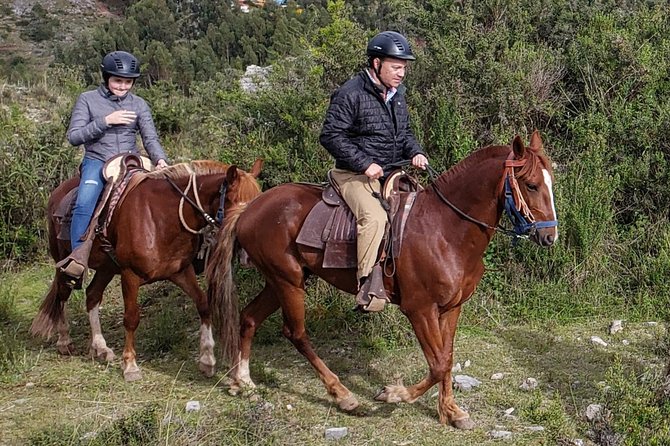
The route is built like a loop: you start at Sacsayhuaman, continue through Puka Pucara and Tambomachay, head to the Vieja Estancia Ranch for horseback time, and then finish at Q’enqo.
That order works because it gives you variety. You get the big, dramatic fortress-feeling first, then smaller, different-style sites, and then the ride where you’re away from the crowds and noise.
It also helps the timing. The tour runs about 4 hours, and the horseback riding portion is roughly around an hour to about an hour and a half depending on the group and conditions. The rest is transport between stops by private car and guided time on-site.
Sacsayhuaman: The First Big Hit of Inca Stone
Sacsayhuaman is your opener, and it sets expectations fast. You’ll be surrounded by Inca architecture and the kind of stonework that makes you look twice, even if you’ve seen other ruins before.
More importantly, you don’t just wander. Your guide talks through what you’re seeing, including history and religious customs tied to the site. People consistently highlight how engaging and responsive guides are, including Benni, who’s noted for confidently handling even awkward questions.
One practical consideration: you’ll be traveling between locations by private car and spending time standing and walking around the ruins. It’s outdoors, so good shoes matter, especially in Cusco’s changeable weather.
Puka Pucara: A Smaller Stop That Changes the Mood
After Sacsayhuaman’s scale, Puka Pucara feels like a palate cleanser. You’re still in the Inca world, but the experience shifts toward a calmer, more intimate look at a different kind of site.
Your guide uses the stop to connect the architecture with how the Incas understood sacred space and how religious customs shaped where they built. That context is the difference between taking photos and actually understanding why the place mattered.
You’ll probably appreciate the pacing here. The visits aren’t so long that you feel stuck, but they’re long enough to learn something real before moving on.
Tambomachay: Where Water and Ritual Energy Often Come Up
Tambomachay is another key stop, and it adds variety to the day’s Inca mix. Your guide explains what makes the place important and ties it back to the religious and historical story of the region.
What I like about this style of tour is that it keeps you from treating each site like a separate box to check. You start seeing patterns in how the Incas designed sites and how the meaning changes from one location to another.
This is also a good moment to regroup mentally before the ride. Once you start horseback time, the day shifts again—less lecture, more moving through open air.
Vieja Estancia Ranch: The Ride Part You’ll Remember
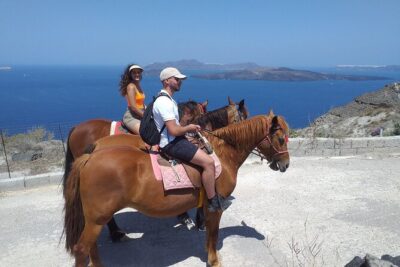
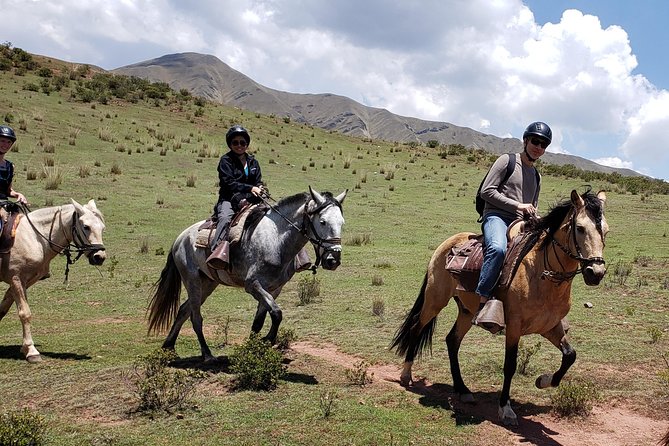
This is the section people light up about, and it makes sense. You go to the ranch—Vieja Estancia Ranch—to meet your horse, get safety support, and ride through the kind of countryside views you don’t get from a van window.
You’ll wear a helmet and ride with saddles and a safety-focused setup. A muleteer also takes care of the horses, which helps keep everything controlled and smooth while you focus on riding.
One detail that matters: you won’t ride directly into the archaeological sites. That isn’t a disappointment thing—it’s a protection thing. Horses can damage soil, so the riding happens on nearby trails and areas, then you get back to the ruins on foot with your guide.
Based on what I’d expect for most riders, it’s built to feel safe even if you’re new. People specifically mention that horses are matched to rider confidence and experience, and that the ride feels steady with the chance to trot at times. Some mention Peruvian horses having a very comfortable gait, which is a big deal if you’re nervous about feeling bumpy.
Q’enqo: Ending with a Sacred-Site Feeling
You finish at Q’enqo, and it’s a satisfying closer. By this point, you’ve already learned how different sites relate to Inca beliefs, so Q’enqo lands with more meaning than it would as a random final stop.
Your guide gives historical and religious context here too, so you’re not just guessing what you’re looking at. It turns the visit into a story you can actually follow from start to finish.
If you’re the type who likes a strong ending photo, Q’enqo is often that last moment where the ruins look especially dramatic because the day’s rhythm has shifted from transport to guided learning to open-air riding and back to stone.
Price and Value: $95 Plus What You’ll Still Pay
At $95 per person for about 4 hours, the price looks fair if you focus on what’s included: a professional guide, saddle and safety helmets, a muleteer, water, and round-trip transport by private car from hotels to the ranch area.
But here’s the honest part. You will still need to budget for archaeological entrance fees and the Cusco tourist ticket, because those are managed separately. One guide explanation puts the entrance fees around $20, paid directly to the Peruvian government.
So your real budget isn’t just the $95. It’s $95 plus site fees. If you’re trying to travel on a tight budget, that extra step matters. If you’re happy paying for a day that mixes horse time with multiple guided ruins, it often feels like good value compared to paying separately for transport, a guide, and a ranch ride.
What’s Included (and Why It’s Not Just Checkboxes)
There’s a difference between a tour that hands you a helmet and one that actually runs the operation. Here, the included items do more than look nice on a brochure.
You get a professional guide, which is where the day becomes education instead of just sightseeing. You also get saddle and helmets, and a muleteer who helps care for the horses during the ride.
Water is included too. At high altitude, it’s an easy thing to forget until you feel it, so having mineral or natural water included helps you stay comfortable and present.
Timing, Group Size, and How Smooth It Feels
This is a half-day style experience, so you get a clean arc: hotel pickup, stops near Cusco, ranch riding, and a return drop-off back at your hotel.
The group size caps at 15 travelers. That limit helps for two things: you’re not waiting around forever at each site, and the riding operation stays manageable when everyone is mounting and getting moving.
Most people say it runs smoothly with prompt arrival. That’s not a tiny detail in Cusco, where delays can throw off your whole afternoon.
What to Wear and Bring for a Comfortable Ride
Plan for the ride first, then plan for the ruins. Long pants are strongly recommended (jeans are perfect), and closed shoes with rubber soles or walking shoes are your best bet.
Weather is a real variable. Bring a rain jacket if rain is possible, and if the forecast is cloudy, don’t forget sunscreen anyway. One rider called out that they wished they’d used it even with cloud cover.
Also skip jewelry or valuables during the riding part. The rules are practical: you’re moving, your hands may be busy, and you’re out in open countryside.
Who This Tour Fits Best (and Who Might Want a Different Plan)
This experience suits people with little or no horseback riding background. Horses are matched to the rider, and the pace is built for the least experienced in the group while still giving experienced riders a chance to ride with more energy.
Families also tend to like the mix. It’s not only a ride, and it’s not only ruins. It gives teens and adults something to do while still learning.
Two groups should think carefully before booking:
- If you want horseback riding that goes inside the archaeological zones, this won’t match that expectation. Horses don’t enter the sites to protect fragile ground.
- If you’re on a strict budget, the entrance fees and Cusco tourist ticket add real cost on top of the $95.
If you want an active, guided Cusco day that feels more like a story than a checklist, this is a strong choice.
Should You Book This Horseback-Plus-Inca Tour?
I’d book it if you want the best kind of Cusco combo: a guided Inca history day plus a ranch ride that lets you feel the mountains up close. With helmets and a muleteer in the mix, plus horse matching for different confidence levels, it’s built to be approachable.
I’d pause if you dislike added costs. Since archaeological entrance fees and the Cusco tourist ticket aren’t included, your final price will rise once you add site admission.
If you want a half-day plan that’s active, scenic, and guided, this tour is easy to recommend. It’s not a long school excursion. It’s a well-run day out where you ride, learn, and still have energy left afterward.
FAQ
How long is the horseback riding plus Inca sites tour?
It runs about 4 hours (approx.).
What does it cost?
The price is $95.00 per person.
What is included in the tour price?
You get a professional tour guide, saddle and safety helmets, a muleteer, mineral water or natural water, and transport by private car.
Are the Cusco tourist ticket and site entrances included?
No. The Cusco tourist ticket is not included, and archaeological entrance fees are paid separately.
Is the horseback riding part beginner-friendly?
Yes. The tour is suitable for participants with little or no experience.
How long will I ride horseback?
The horseback riding portion is about an hour, and sometimes riders report closer to 1.5 hours depending on the group.
What should I wear and bring?
Wear long pants (preferably jeans) and closed shoes with rubber soles or walking shoes. Bring a rain jacket if rain is likely, and avoid jewelry or valuables during the ride.
What are the weight and age limits?
The maximum weight is 200 pounds or 90 kilos, and the minimum age is 6 years.
What happens if weather is bad?
This experience requires good weather. If it’s canceled due to poor weather, you’ll be offered a different date or a full refund.
Is there a free cancellation window?
Yes. You can cancel up to 24 hours in advance for a full refund. If you cancel less than 24 hours before the start time, the amount you paid is not refunded.