REVIEW · TROMSO
Tromsø: Horseback Riding Tour
Book on GetYourGuide →Operated by TROMSØ TURHEST AS · Bookable on GetYourGuide
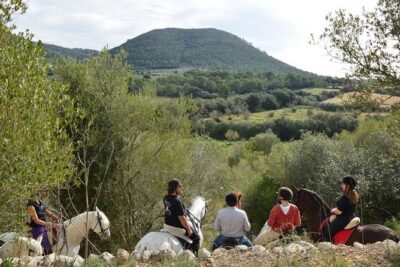
Riding a Norwegian horse in arctic air feels unreal. I love how this tour on Kvaløya Island turns a simple ride into real time with moody coast views, snowy forests, and sea-bird country. I also like that you meet your horse first, then learn about Norway’s national breeds (Lyngenhorse, Fjordhorse, and Dølahorse) along with the farm’s World War 2 history. The one catch: winter snow and storms can limit where you ride, so the coastal stretch you imagined might shrink.
The whole experience runs about 150 minutes, with a short safety briefing at Mari Sletta Farm and roughly two hours on horseback. You’re traveling with a live guide (English and Norwegian), in a small group capped at five, and you get a helmet. Expect weather changes to matter here—safety comes first, even if it means postponing or canceling when conditions turn stormy.
In This Review
- Key things I’d bank on before you go
- Kvaløya Island in a Saddle: Why This Tromsø Ride Feels Truly Arctic
- Mari Sletta Farm Setup: Helmets, a Safety Briefing, and Learning Your Horse
- Straumsvegen 766a Meet-Up to the Ride: What the 150 Minutes Really Feels Like
- From Farm to Shore by the Tides: How the Route Changes Day to Day
- The Horse Lineup Matters: Lyngenhorse, Fjordhorse, and Dølahorse
- Wildlife Chances on Kvaløya: Moose, Eagles, and Seals (Not Guaranteed, but Real)
- World War 2 Farm History: The Meaning Behind the Barns
- Price and Value: What You’re Paying $262 For
- What to Bring, and What the Tour Won’t Tolerate
- Getting There Smoothly: Marisletta Farm by Car or Svipper 420
- Should You Book This Tromsø Horseback Riding Tour?
- FAQ
- How long is the Tromsø horseback riding tour?
- Where do I meet the guide?
- Is the tour guided in English?
- What is the group size?
- Are helmets included?
- What should I bring for the ride?
- Is the tour suitable for kids?
- Is there a weight limit?
- Can the tour be canceled due to bad weather?
- What’s not allowed during the tour?
Key things I’d bank on before you go
- Small group (max 5): more help with your horse and less waiting around.
- Arctic wildlife moments: moose, eagles, and seals in the sea are possible.
- Three national Norwegian breeds: you’ll learn what makes each one part of Norway.
- Farm stories from World War 2: the setting has more meaning than a scenic photo stop.
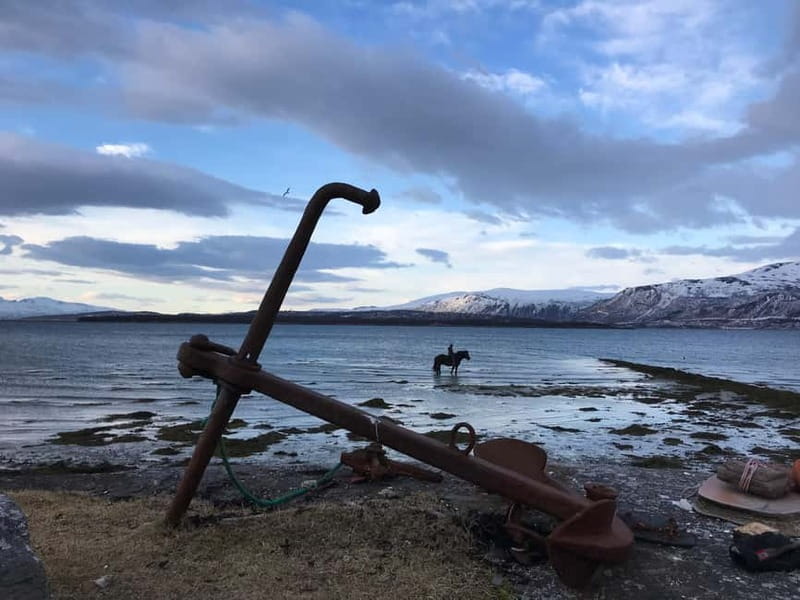
- Ride by the tides: you may go along the shore or out toward the beach depending on conditions.
- Weather-sensitive routing: storm risk can change what’s possible on the day.
Kvaløya Island in a Saddle: Why This Tromsø Ride Feels Truly Arctic
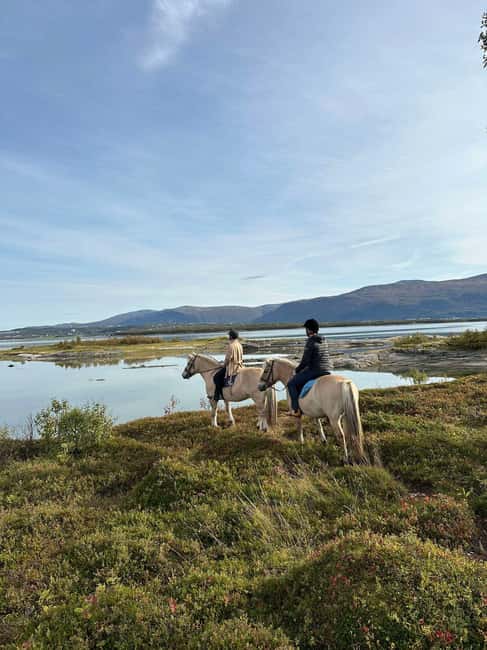
This tour is built around Kvaløya, the island north and west of Tromsø, where the air feels sharper and the coastline looks like it’s been waiting a long time for tourists. The operator keeps the group small, which matters because the day is really about personal calm: meeting your horse, getting a quick safety focus, and then moving at a horse’s pace through winter or summer.
What I like most is the mix of experiences in one session. You’re not just sitting on a horse and moving forward—you’re also watching for arctic wildlife like moose, eagles, and seals, while learning about the horses themselves. And since you’ll hear about World War 2 history connected to the farm, the ride has context, not just scenery.
Mari Sletta Farm Setup: Helmets, a Safety Briefing, and Learning Your Horse
You start at Mari Sletta Farm, where the tour begins with a short safety briefing (about five minutes). It’s quick by design, but it’s meant to get everyone aligned on how to handle the ride safely and how to move around horses. Helmets are included, and the operator is explicit that both customer safety and horse welfare are top priorities.
Then comes the part you’ll remember later: getting to know your horse before you ride. In practice, that means the guide helps you with the basics—what to do with tack, how to stay balanced, and how to follow instructions while you’re mounted. Even if you’re new to horses, you’re not thrown in cold; the guide checks in and makes sure people feel comfortable before you head out.
A practical note from real-world conditions: if you’re going in winter, you’ll want to assume your hands will feel cold fast. Bring gloves and warm layers, even if you think you’ll only be outside briefly.
Straumsvegen 766a Meet-Up to the Ride: What the 150 Minutes Really Feels Like
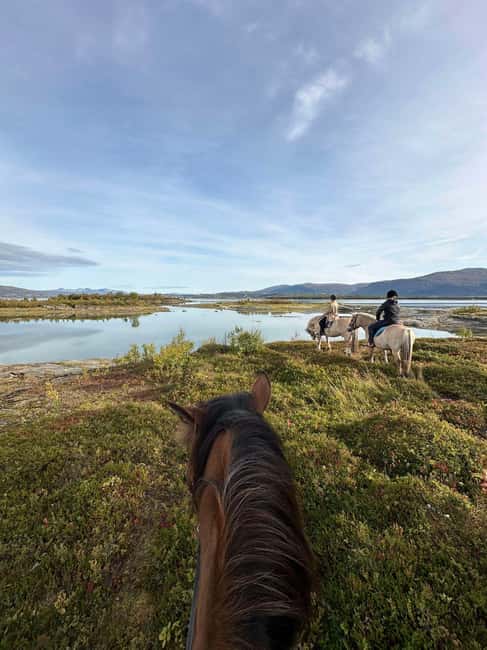
The full tour runs about 150 minutes, and it breaks down into a clear rhythm. You meet at Straumsvegen 766a, do the quick briefing at the farm, then you’re out riding for around two hours, with time for sightseeing along the way.
This timing is good for a day in Tromsø because it doesn’t swallow your whole schedule. You can do this as a main activity, or pair it with other arctic experiences without feeling like you’re rushing every hour. Because the guide is live (English and Norwegian), you can also ask questions in the moment—especially useful when you’re adjusting to horse riding for the first time.
From Farm to Shore by the Tides: How the Route Changes Day to Day
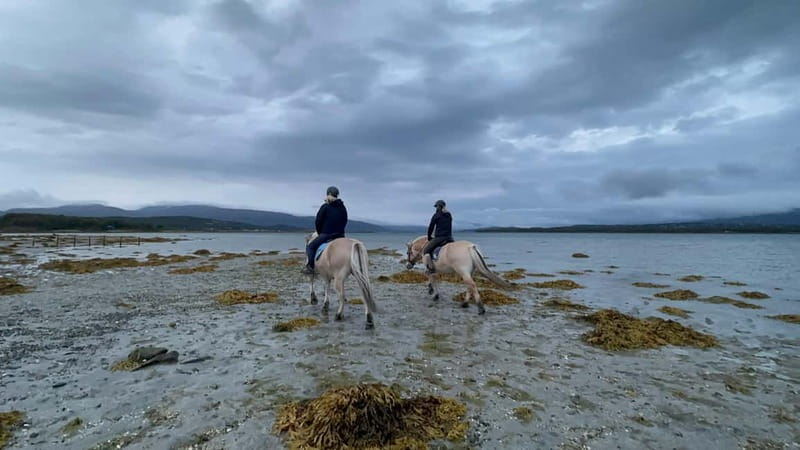
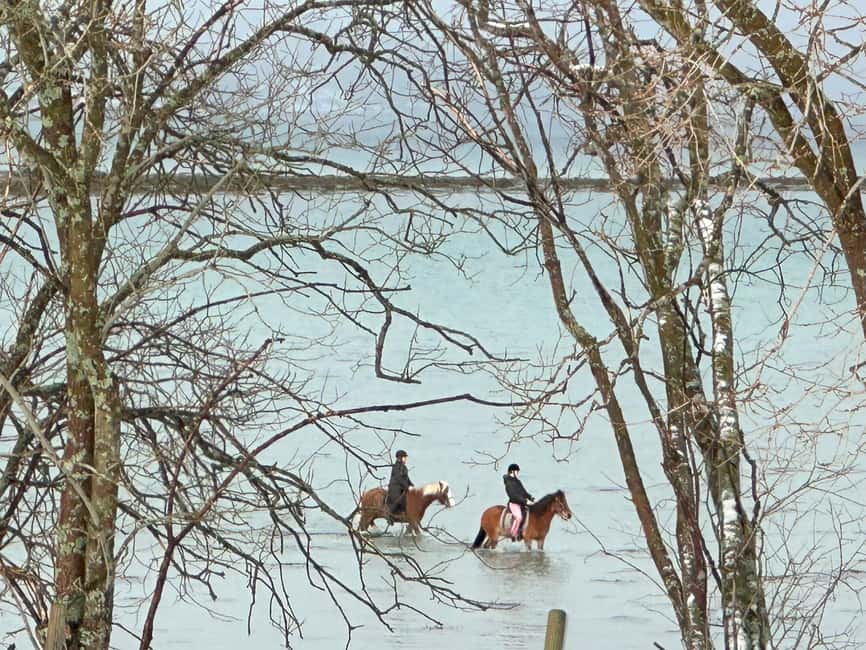
One of the most interesting details is that your route can shift based on tides. Depending on low or high tide, the ride goes on the shore or at the beach. That means the scenery and footing can vary, and the guide’s choices are part of keeping it safe for both you and the horses.
Winter routing can also be different than summer routing. Snow and weather can reduce how much exposed coastal area you reach on horseback, and stormy conditions can lead to cancellation. The operator keeps the bar high for safety, so if the day is rough, it’s better to get rescheduled than to force an unsafe ride.
On the positive side, many rides keep you away from long stretches of road. In snowy conditions, you may spend more time in sheltered woods and paths where the cold wind feels less punishing. If you’re a beginner, you might even start with basics in an enclosed arena before heading out, which helps you get your balance before the wider outdoor part of the ride.
The Horse Lineup Matters: Lyngenhorse, Fjordhorse, and Dølahorse
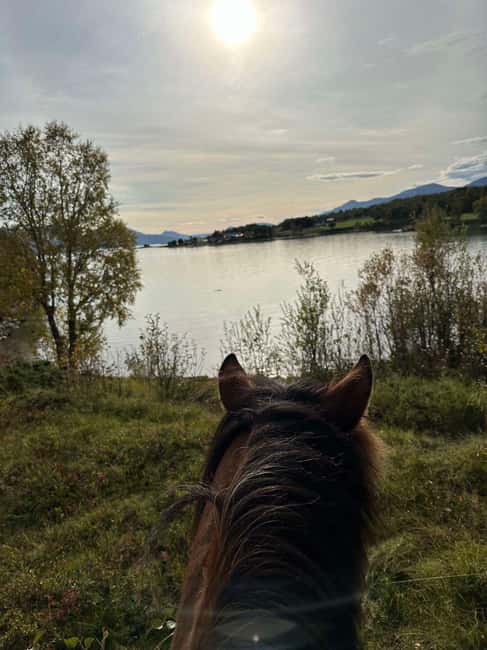
This is a Norwegian horse tour, not a generic trail ride. You’ll have the chance to ride one of Norway’s national breeds, and you’ll learn about each breed’s historical background—Lyngenhorse, Fjordhorse, and Dølahorse.
Why this matters for your experience: different horses can feel different under you, and knowing a bit about the breed helps you pay attention instead of just holding on. A calm, well-managed horse makes the whole session easier, especially if your goal is to enjoy the Arctic views and wildlife rather than fight for balance.
Also, the tour is very focused on horse welfare and living conditions. That shows up in how the operator handles horses and how they manage safety around them. You’ll likely notice more care than you get on quick, factory-style riding experiences—more time spent with the horse as an animal, not just a vehicle.
Wildlife Chances on Kvaløya: Moose, Eagles, and Seals (Not Guaranteed, but Real)
Kvaløya has the kind of wildlife that turns a ride into something you want to tell friends about later. The highlight list includes arctic moose, eagles, and seals in the sea, and in real time those moments can happen when you least expect it—like when the group pauses and your guide points out tracks or a distant movement.
Here’s how to set your expectations in a useful way: sightings are never guaranteed. But because you’re not zooming through with a vehicle, you get those quiet pauses where animals might decide you’re not a threat. If you want the best odds, keep your movements steady, follow your guide’s instructions, and don’t treat wildlife spotting like a sprint.
If you do spot moose or eagles, it’s usually not about dramatic spectacle. It’s more about that slow, eerie feeling of sharing the environment with animals that have the right of way.
World War 2 Farm History: The Meaning Behind the Barns
Most horseback rides stop at “pretty.” This one adds another layer: you’ll learn about the history of the farm during World War 2. Even if you’re not a history buff, it changes how you look at the place—especially in an Arctic setting where survival and community mattered.
For me, the value is simple. When an operator ties the experience to local history, you stop thinking of it as a random activity and start thinking of it as part of the area’s real story. You’ll walk around the farm area with new context, and that makes the whole experience feel more authentic and grounded.
Price and Value: What You’re Paying $262 For
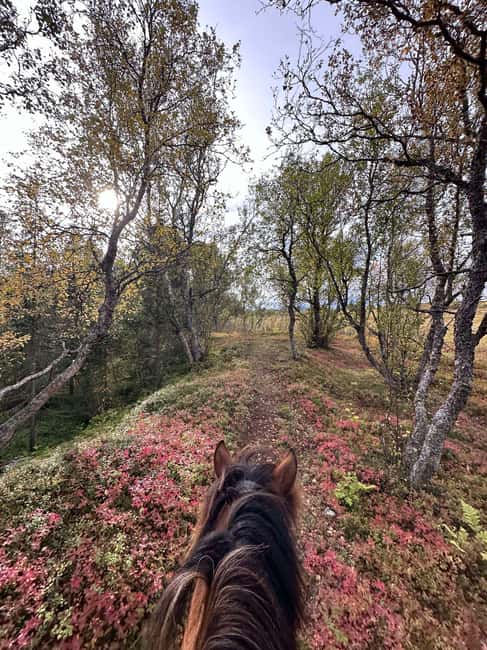
At $262 per person for about 150 minutes, this isn’t a budget throwaway. But you’re not paying just for time on a horse—you’re paying for a small-group guide-led experience with helmets, safety briefing, and horse care standards.
Here’s where the value shows up:
- Small group size (limited to five) means you get more attention with your horse.
- Safety and welfare focus gives you a calmer ride, especially for beginners.
- Learning components (three Norwegian breeds and World War 2 farm history) turn it into a guided experience, not just transportation.
- Arctic setting on Kvaløya, with wildlife opportunities, is harder to replicate elsewhere.
If you’re someone who enjoys animal-focused activities and you want a guided experience with local storytelling, the price starts to feel fair. If you mainly want a long, uninterrupted coastal ride no matter the season, you might want to check your expectations for weather and snow.
What to Bring, and What the Tour Won’t Tolerate
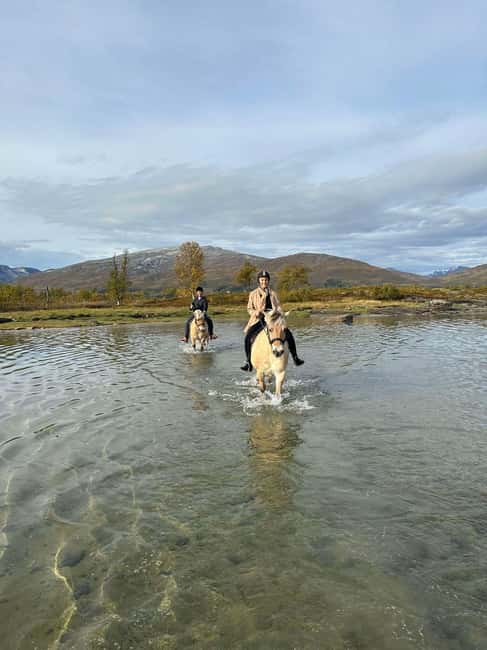
Plan for cold hands, cold feet, and sudden weather shifts. Bring comfortable shoes you can stand and walk in, warm clothing, and gloves. Dress like you’ll be outside longer than you think, because Arctic weather changes fast.
The tour also has clear rules:
- No smoking
- No alcohol and drugs
- No feeding animals
And you should know who the ride isn’t for. The tour is not suitable for children under 10, pregnant women, people with animal allergies, and anyone over 209 lbs (95 kg). Those limits are part of keeping both riders and horses safe and comfortable.
Getting There Smoothly: Marisletta Farm by Car or Svipper 420
Getting to the farm is straightforward, but the directions matter because it’s a rural setup.
If you drive: park in the free parking lot if you’re coming by car. Park by the first red building on the right as you come down from the main road. Then walk toward the biggest red barn on the left; that’s where the guide meets you.
If you’re taking the bus: use Svipper bus 420 from Tromsø to the bus stop Marisletta. From there, it’s about a three-minute walk down to the farm. There’s also mention of a sign called Kattehotell by the road, which can help you find the right route as you walk to the barn.
Should You Book This Tromsø Horseback Riding Tour?
Book it if you want a horses-and-nature day that’s more thoughtful than a quick ride. This is especially a good fit if:
- you like animals and want to meet your horse properly before riding
- you enjoy guides who explain what you’re seeing (breeds and farm history)
- you’ll take weather changes in stride and prioritize safety
Skip it if you fall into the tour’s limits (under 10, pregnancy, animal allergies, or over 95 kg), or if you’re expecting a guaranteed long, exposed coastal ride regardless of snow. Also, if arctic wildlife sightings are your only goal, remember that moose, eagles, and seals are chances, not promises.
Overall, I’d call this a strong value for the money if you want a guided, small-group horseback experience in true Arctic surroundings with real local context.
FAQ
How long is the Tromsø horseback riding tour?
The tour lasts about 150 minutes, including a short safety briefing and around two hours of sightseeing and horseback riding.
Where do I meet the guide?
The meeting point is Mari Sletta Farm at Straumsvegen 766a. Park by the first red building on the right, then walk to the biggest red barn on the left where the guide meets you.
Is the tour guided in English?
Yes. The live tour guide speaks English and Norwegian.
What is the group size?
The group is limited to 5 participants.
Are helmets included?
Yes, helmets are included.
What should I bring for the ride?
Bring comfortable shoes, warm clothing, and gloves. Dress for the weather because you’ll be outside.
Is the tour suitable for kids?
No, it’s not suitable for children under 10.
Is there a weight limit?
Yes. The limit is 209 lbs (95 kg).
Can the tour be canceled due to bad weather?
Yes. The operator may cancel due to bad weather conditions such as storms, and safety is the top priority.
What’s not allowed during the tour?
Smoking is not allowed, and alcohol and drugs are not allowed. Also, you can’t feed the animals.