REVIEW · VARMAHLID
Varmahlid: Viking Horse Riding Tour
Book on GetYourGuide →Operated by Hestasport Activity Tours · Bookable on GetYourGuide
There is something magical about horse hoofprints in Iceland. This 1.5-hour Icelandic horse ride from Varmahlíð pairs the river Svartá and fjord views with a guided stop at Reykjafoss. I love that you actually get time to practice the horse’s special gaits on gentler paths, not just sit there. I also love the personal feel of a small group with an English-speaking guide. A real consideration: Iceland weather can turn chilly fast, and you’ll want proper layers even if the ride is short.
You meet at the Hestasport office in Varmahlíð and get fitted with what you need like helmets and (if required) a snow suit. You’ll spend most of your time on horseback, moving at a comfortable pace along the hillside trail before reaching the waterfall area. If you’re sensitive to wet cold or have never worn bulky gear outdoors, plan to dress for it and you’ll enjoy it much more.
Key highlights worth planning for
- Fourth gait and tölt practice on soft grassy tracks, not just a basic walk
- Svartá River route with mountain and fjord panoramas alongside the trail
- Reykjafoss by horseback, so the waterfall feels earned and closer
- Small group, close coaching, helpful for first-timers who want confidence
- Included snow suit when needed plus helmets to keep the ride comfortable
- English-speaking guide who steers both the horses and the experience
In This Review
- Why Varmahlíð to Reykjafoss Works Better Than a Quick Stop
- Getting Set Up at Hestasport Reception in Varmahlíð
- The Trail: Svartá River, Hillside Tracks, and Fjord Views
- Reykjafoss From the Saddle: What You Actually Get
- Icelandic Horse Gaits: Tölt and the Fourth Gait Explained Simply
- Small-Group Service and Your Guide’s Role
- Price and Value: What You Pay for at $111
- Gear Checklist: Stay Warm, Stay Dry, Stay Comfortable
- Who Should Book This Horse Ride (and Who Might Skip It)
- Should You Book Viking Horse Riding in Varmahlíð?
- FAQ
- How long is the Viking Horse Riding Tour?
- What’s included in the price?
- What should I bring for the ride?
- Is this tour suitable for beginners?
- What are the age and weight limits?
- Do you offer free cancellation?
Why Varmahlíð to Reykjafoss Works Better Than a Quick Stop
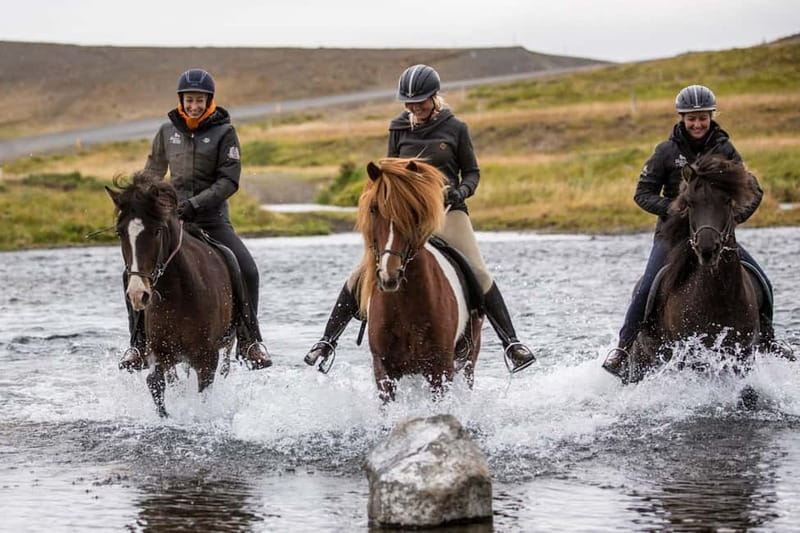
A short horse tour in North Iceland can be surprisingly satisfying. You get motion, fresh air, and a real “out there” feeling without losing half a day to driving. This one is built around two big scenic anchors: the Svartá river area and the Reykjafoss waterfall.
What I like most is the pacing. The ride is long enough for the horses to settle into a rhythm, and short enough that it stays doable for people who don’t want a full-day outdoor commitment. You also have a guide with you the whole time, which matters in Iceland when weather and ground can shift quickly.
The tour also has a clear Icelandic “reason to exist.” You’re not just visiting a pretty waterfall. You’re on an Icelandic horse, and the ride is structured so you experience its standout movement. That makes the time feel less like transport and more like a genuine activity.
Getting Set Up at Hestasport Reception in Varmahlíð
The experience starts at the Hestasport reception area in Varmahlíð (Skagafjörður). Plan to arrive about 15 minutes early, because this is one of those activities where a quick fit-and-brief prevents stress later.
You’ll get helmets, and if conditions require it, you’ll be provided with a snow suit. That’s a big deal in Iceland, where a light breeze can feel sharper than you expect. Even in seasons when it’s not snowing, wet grass and cold wind can make layers essential.
Your guide will introduce your horse and explain how the ride works. If you’re nervous, this part matters. On rides like this, confidence usually comes from knowing what to do with your body—how to hold the reins, how to keep your balance, and what to expect when the horse changes gait.
The Trail: Svartá River, Hillside Tracks, and Fjord Views
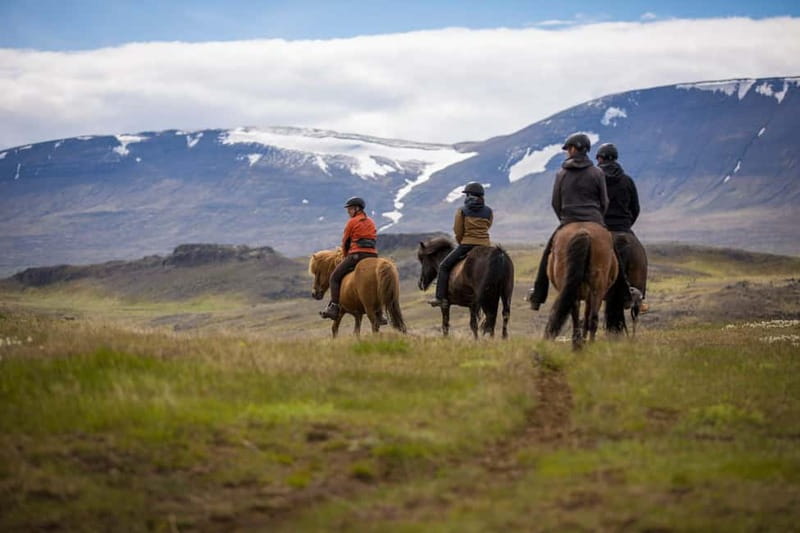
Once you’re mounted, the route follows the Svartá river and climbs onto a hillside trail that keeps the scenery wide open. You’ll be riding along an “adventure track” feel—meaning the ground is not polished pavement, but it’s also not presented as technical climbing. The goal is a scenic, nature-forward ride that still feels safe.
One advantage of the Svartá section is that it keeps giving you cues of where you are. River routes in North Iceland tend to stay visually interesting because you’re always seeing water moving, plus slopes and mountain forms around it. That makes it easier to enjoy the ride even if you’re focused on steering your balance.
You may also have a short transfer from the office area to the riding start point. One person in the feedback described a drive from the meeting spot to where they actually started riding. If that’s part of how your departure runs, it’s normal—just don’t schedule your next activity too tightly.
Reykjafoss From the Saddle: What You Actually Get
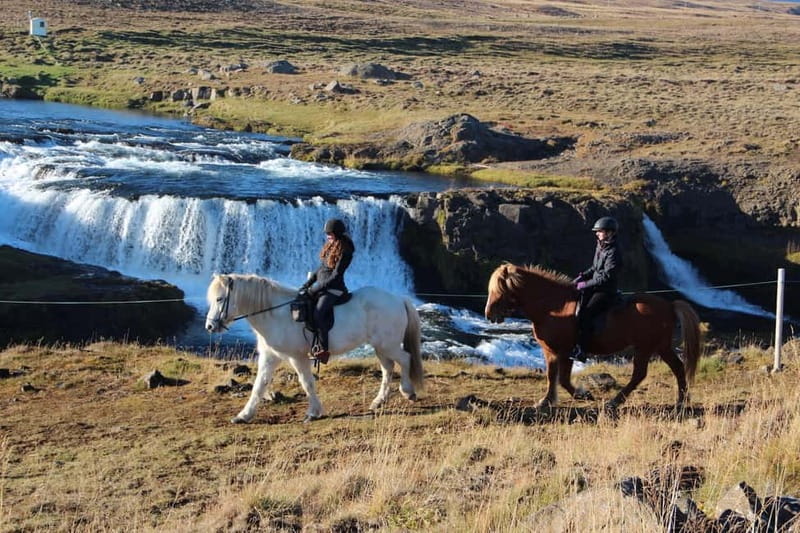
The highlight of the ride is reaching Reykjafoss as a waterfall stop during your horseback time. The way it’s framed here—horse first, waterfall second—changes the feeling. You’re not just stopping for photos and rushing off. You arrive with the trail experience already built in.
Because the ride is only 1.5 hours, you should think of Reykjafoss as a short, satisfying scenic moment rather than a long hike. That’s not a drawback if you’re choosing this tour for variety. It’s a great choice when you want a memorable Iceland activity without turning your day into a stamina test.
You also get that “surrounded by mountains” feeling described for the route. Even if your main target is the waterfall, the approach matters. The hillside section is the payoff for people who like views and motion more than stillness.
Icelandic Horse Gaits: Tölt and the Fourth Gait Explained Simply
The biggest “wow” factor in this tour is the Icelandic horse movement. These horses are famous for gaits that most other riding animals can’t do naturally. Here, you’re given the chance to experience tölt and the fourth gait on softer grassy paths.
Why this matters for your trip planning: gait practice turns the tour from passive sightseeing into an actual skill you feel through your body. You’re less likely to end up thinking, I paid to sit on an animal and see water. Instead you’ll likely feel the difference in the horse’s rhythm and stability.
If you’re a first-time rider, this can still work well. The ride is guided, and the horses are described as well mannered and obedient in the experience feedback. That usually means the guide spends time controlling the experience so you don’t get thrown into something unexpected.
A practical note: no matter how calm the horse is, you’ll want to keep your muscles relaxed. Icelandic gait riding is less about gripping for dear life and more about letting the horse’s rhythm do the work.
Small-Group Service and Your Guide’s Role
You’re not just handed a saddle and sent off. This tour emphasizes personal service with a small group size, which changes the quality a lot. In a small group, the guide can watch posture, help with rein comfort, and adjust pacing before problems start.
The guide’s job isn’t only safety. It’s also teaching you how to enjoy the ride. Many people get the most out of these tours when the guide explains how to hold steady, how to read the horse’s signals, and what to focus on at key moments like the approach to the waterfall.
In the feedback, guides were repeatedly described as caring, professional, and patient—especially helpful for people who were riding for the first time or were a bit uncertain at the start. That’s a strong signal that the experience is managed, not improvised.
Price and Value: What You Pay for at $111
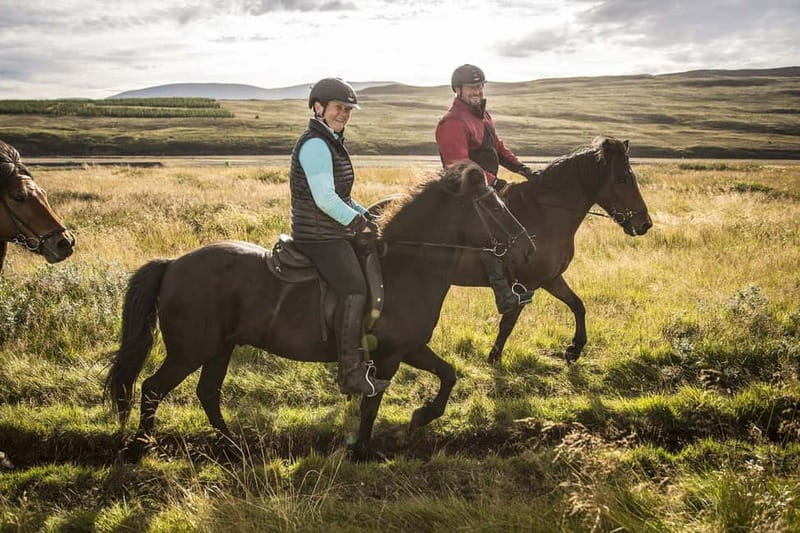
At about $111 per person for 1.5 hours, this sits in the “activity price” category rather than “low-cost sightseeing.” But it’s also not a full-day tour with meals and transfers in the price. So the value is all about what’s included.
Here’s what you get included:
- Horse-riding tour
- Helmets
- Snow suit when needed
- English-speaking guide
What you do not get:
- Food and drinks
That means you should think of this as a paid outdoor experience with gear and instruction built in. If you’re trying to compare, it’s more like paying for an Icelandic activity (and animal care standards) than paying for access to a trail.
My advice: budget a drink snack for afterward. Even if you don’t need a meal right away, riding in cool air can make you want something warm. Since food isn’t included, planning one simple stop after the tour can keep the day comfortable.
Gear Checklist: Stay Warm, Stay Dry, Stay Comfortable
This is an outdoor horseback ride in North Iceland, which means your clothing choices matter more than you’d think. Bring warm layers, rain gear, gloves, and comfortable shoes you can trust on uneven ground.
A helmet is provided, and you may get a snow suit, but you’re still responsible for what goes underneath. If you wear thin socks or underestimate wind, you’ll feel it. If you wear layers and moisture-wicking basics, the ride stays enjoyable.
Also note the disinfection requirement: riding gear brought from outside Iceland must be disinfected if you bring it. If you’re unsure, bring only what you know is compliant or plan to use what’s provided.
Finally, keep in mind the weight limit: 100 kg / 220 lbs. It’s not a small detail—this affects which horses and saddles can safely be used.
Who Should Book This Horse Ride (and Who Might Skip It)
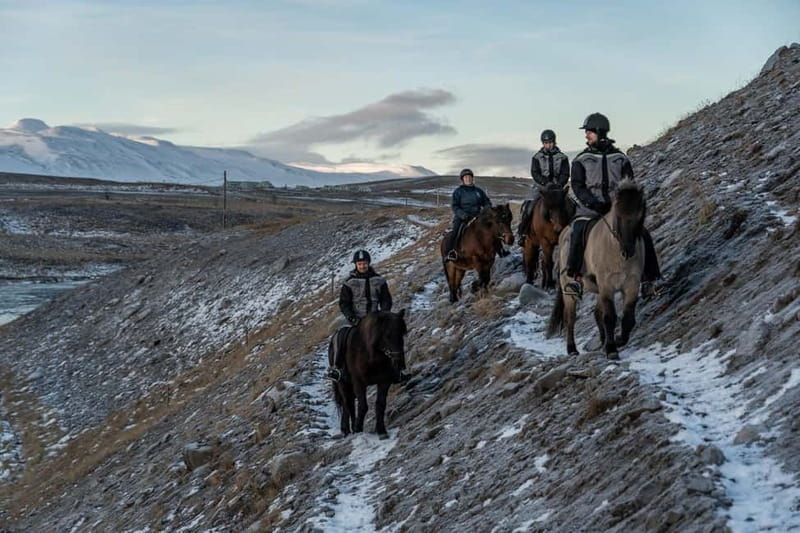
This tour is a strong fit if you want a hands-on way to see North Iceland. It’s ideal for people who:
- want to experience Icelandic horse gaits like tölt and the fourth gait
- like nature and views but don’t want a long hike
- appreciate a guided ride, especially if it’s your first time
It’s also well suited to couples and small groups who’d rather get individual attention than join a bigger herd of people.
Skip or rethink it if you:
- have trouble with cold and wet weather and don’t plan proper layers
- want a tour that includes food or extended time at the waterfall area
- can’t meet the basics: children under 6 are not suitable, and the rider weight limit is 100 kg / 220 lbs
One more reality check: Iceland is big. Even if the tour itself is only 1.5 hours, add travel time to and from Varmahlíð.
Should You Book Viking Horse Riding in Varmahlíð?
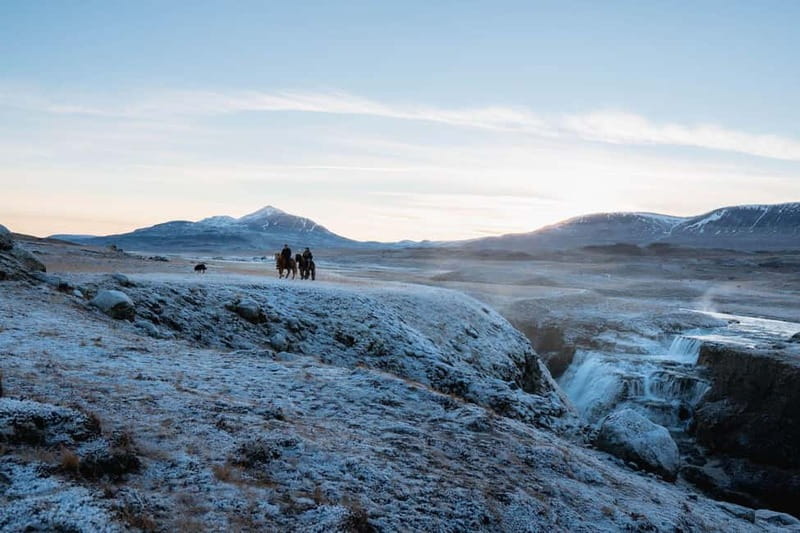
Yes—if your idea of Iceland includes riding, not just standing. The ride’s core value is that it’s not generic horseback sightseeing. You get time with the Icelandic horse’s unique gait, and you travel along a route that connects river, hillside, and the Reykjafoss waterfall without rushing.
Book this when you’re looking for an activity that feels “alive,” with real movement and instruction. If you’re deciding between this and a short stop on foot, the horseback version usually wins for memorable variety—especially if you’re curious about how Icelandic horses move.
One last tip for better results: dress for wet, wind, and cool ground, and arrive early so the start feels calm. Then you’ll be free to focus on the fun part—feeling that fourth gait rhythm under you and watching the waterfall appear as part of the journey, not just the destination.
FAQ
How long is the Viking Horse Riding Tour?
The duration is 1.5 hours.
What’s included in the price?
The tour includes the horse-riding tour, helmets, a snow suit if needed, and an English-speaking guide.
What should I bring for the ride?
Bring comfortable shoes, warm clothing, rain gear, comfortable clothes, and gloves. Wear layers for changing weather.
Is this tour suitable for beginners?
It’s designed to feel manageable for people without prior riding experience, as long as you follow the guide’s instructions and ride within your comfort level.
What are the age and weight limits?
Children under 6 years are not suitable. The rider weight limit is 100 kg / 220 lbs.
Do you offer free cancellation?
Yes. You can cancel up to 24 hours in advance for a full refund.