REVIEW · MAUI
West Maui Mountain Waterfall and Ocean Tour via Horseback
Book on Viator →Operated by Maui Mountain Activities · Bookable on Viator
Horseback riding in West Maui hits different. You start in the mountains and end with big Pacific views, plus you get matched to a horse that fits your ability. What I like most is the mountain-to-coast route and the low-stress horse matching—guides like Richard and Kai seem to handle both nervous first-timers and stronger riders with care. A real consideration: the trails can be steep and dusty (or muddy after rain), so dress for getting dirty and don’t count on waterfalls every day.
Your morning starts in Wailuku, then you work your way up through gulches and valleys to see waterfalls seasonally from the trail—no hiking, just good old-fashioned trail riding. I also like the small-group feel (up to 14 riders) and the fact that the tour includes soft drinks and all the riding gear you need. The one drawback to plan around is that the ocean portion is coast-adjacent, not a white-sand beach ride—so if you’re picturing sand under the hooves, you’ll want to reset expectations early.
In This Review
- Why This West Maui Horseback Tour Works So Well
- Morning Pickup at Kahekili Hwy: The Start That Sets the Tone
- From Ranch to West Maui Valley: Getting Paired With the Right Horse
- Waterfalls Seasonally: What You Can Expect (and What You Can’t)
- The Descent: Where Steeper Trails Feel Real
- Oceanfront Riding: Coastal Views Without the Beach Ride
- Canter or Gallop Opportunities (Weather Permitting)
- The Petting Zoo Stop: A Real Break From the Saddle
- Photos and Cold Drinks: Small Touches That Matter
- What to Wear and Bring: Avoid Getting Miserably Dusty
- Group Size and Pace: How to Know If This Ride Fits You
- Value for $187.50: What You’re Actually Paying For
- Should You Book This West Maui Horseback and Ocean Tour?
- FAQ
- How long is the horseback ride?
- Where does the tour start?
- What time does the tour start?
- Do I need prior horseback riding experience?
- Will I see waterfalls?
- Do you ride on the beach or on the water?
- Is there a chance to trot, canter, or gallop?
- What should I wear?
- What are the age and weight limits?
- How big are the groups?
- What happens if the weather is poor?
Why This West Maui Horseback Tour Works So Well
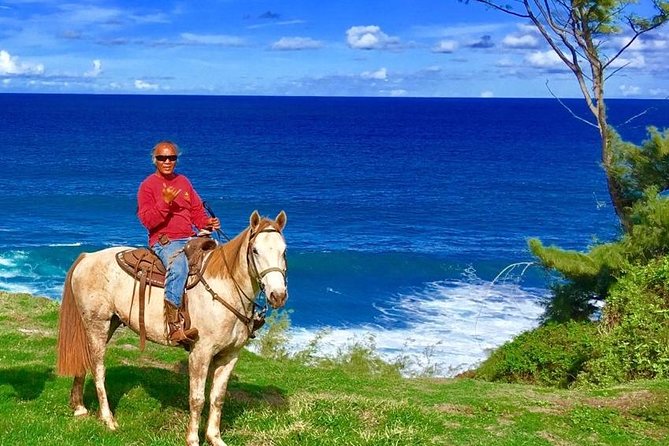
- Horse matching by skill level means you’re less likely to feel out of place, whether you’re brand-new or more experienced
- Mountains to ocean views give you two totally different Maui vibes in one ride
- Canter or gallop chances exist for experienced riders when weather and trail conditions allow
- Photo stops are built into the ride, and guides keep an eye on everyone’s gear and comfort
- Petting zoo time adds a fun, kid-friendly break with mini horses, sheep, rabbits, and more
- You’ll ride real terrain, including steep sections, so moderate fitness and proper shoes matter
Morning Pickup at Kahekili Hwy: The Start That Sets the Tone
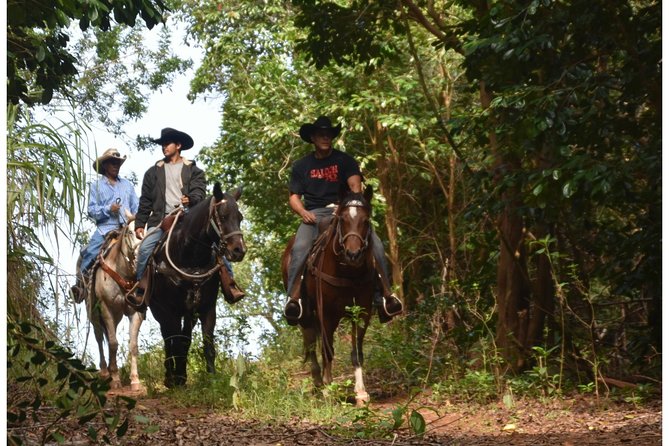
This tour’s start is 2644 Kahekili Hwy in Wailuku, with an 8:15 am start time. Plan to arrive a little early so you can check in, get fitted with your gear, and get settled before mounting. One review also flagged that it can be a bit confusing where to wait near the road, so I’d follow the instructions you’re given and stay put until your group is directed.
Maui mornings can be cooler, but they also come with sun, wind, and dust—yes, dust even when you’d rather not think about it. Bring sunscreen and a camera, and treat your outfit like it’s already “field-tested.” Closed-toe shoes are not optional here; your feet and stirrups need grip and stability.
The tour runs about 3 hours 30 minutes total. The actual ride is roughly 2 hours, with time before and after for briefing, horse matching, and wrap-up.
You can also read our reviews of more tours and experiences in Maui.
From Ranch to West Maui Valley: Getting Paired With the Right Horse
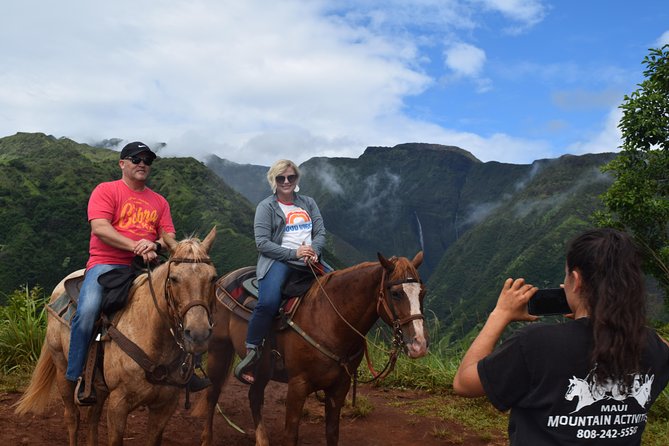
Once you arrive at the ranch, your guide matches you with a horse based on your riding ability. The payoff is huge: if you’re a beginner, you’re not stuck on a mount that needs constant handling. Several riders specifically praised how calm and patient guides were—especially for first-timers who had anxiety about getting on, staying balanced, and riding safely.
You’ll saddle up and follow your guide gradually up into the West Maui Mountains. Along the way, you’re riding through gulches and valley paths where waterfalls can be visible seasonally. Seasonally matters. Some days the waterfalls are there; other days you’ll get lush mountain scenery without the waterfall view.
Terrain also matters. The horses are used to steep slopes, and guides keep the group moving at a pace that can feel quicker than a leisurely “head-to-tail” ride. That said, you should still expect help—wranglers check on gear and keep everyone safe, and riders reported that the staff makes sure beginners aren’t left behind.
Waterfalls Seasonally: What You Can Expect (and What You Can’t)
Here’s the honest version: you’re not guaranteed waterfalls. The mountain section is set up for waterfall viewing when conditions and season line up, but the trail follows the terrain and sightlines—not a promise of water at any given moment.
That’s why I treat the waterfall as a bonus, not the main event. The real constant is the mountain ride itself: you’re gaining elevation, watching the valley unfold, and getting those West Maui “how is this real?” views from horseback. If you’re unlucky and the waterfall isn’t visible, you still come away with the sense of riding through the island’s rugged interior rather than around it.
One rider also noted that trail conditions can change the experience—when it’s been dry, you get a dust cloud; when it’s been wet, you may get muddy. Either way, this is an outdoor ride. Pack your expectations accordingly.
The Descent: Where Steeper Trails Feel Real
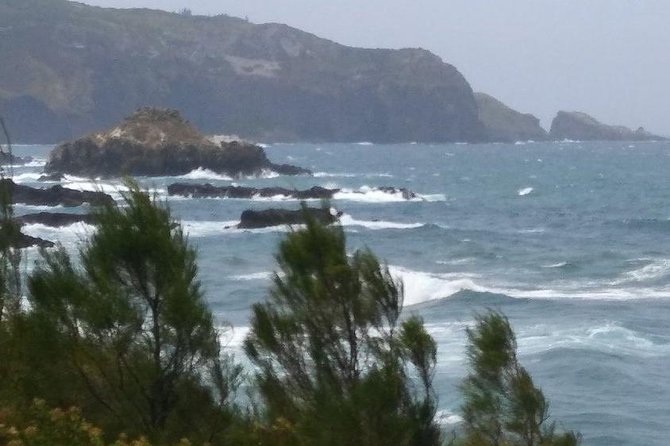
At some point you turn toward the downhill return. This is where the tour earns its “adventure” label—because you’re not cruising on flat ground the whole time. Reviews mention steep inclines both going up and back down, and even experienced riders said the horses navigate steep slopes confidently.
If you’re a total novice, don’t confuse the word mellow with easy. The ride can still feel physically demanding because you’re balancing as the trail changes direction and grade. The tour does require moderate physical fitness, and there are age and weight limits for a reason.
- Minimum age: 7 years
- Weight limit: 215 lb (97.72 kg), strictly enforced
Also read this carefully: if you exceed the body weight given to the operator by 10 pounds, they’ll try to find a horse that can accommodate you. If they can’t, you won’t be able to ride and you won’t receive a refund. That’s a hard edge in the fine print—so if you’re close to the limit, don’t guess. Confirm your weight before you show up.
Oceanfront Riding: Coastal Views Without the Beach Ride
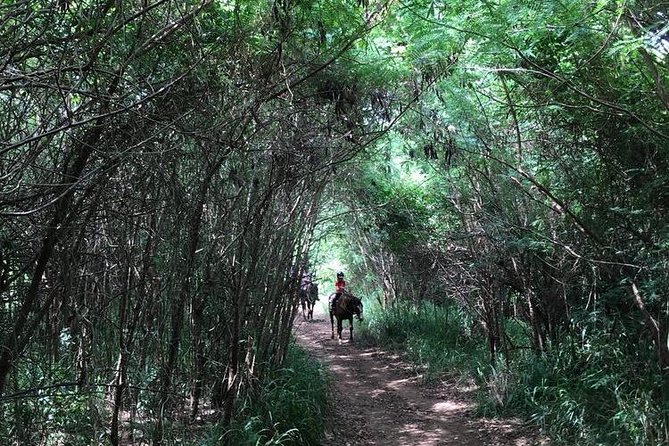
Then comes the part many people come for: the ocean ride. You’ll head down to the oceanfront and ride along the coastline. You are not on the white-sand beach, and at least one rider specifically pointed out that state laws prohibit riding on the water, so you’ll be on a higher path with ocean views rather than hoofing it right in the surf.
So what does “along the coastline” look like in practice?
- You ride near ocean viewpoints
- You may get a spot where you can stop for photos
- You get that Pacific “wind + horizon” feeling that changes the whole mood of the ride
Some reviews describe the coastal portion as more limited than expected—more of a photo/viewing moment than a long continuous beach-style ride. That mismatch usually comes from picturing a full shoreline journey. If your goal is simply “I want ocean views from horseback,” you’re in the right place. If your goal is “I want to ride on a beach,” you’ll want a different activity.
Canter or Gallop Opportunities (Weather Permitting)
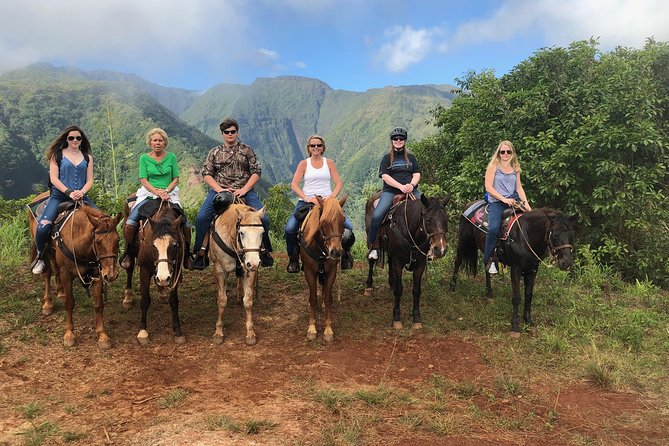
There’s a run spot where you’re allowed to trot, and for experienced riders, there may be two opportunities to canter or gallop when weather permitting. Multiple riders said they had a chance to canter, and others noted that half their group didn’t canter because of trail conditions.
This is the key: trail conditions drive what’s possible. Dusty trails might limit how fast they let you go. Muddy or slick trails can change everything too. The guide’s job is to keep everyone safe, and that includes controlling speed and spacing for different skill levels.
If you want a faster ride, don’t treat the canter/gallop option like a guarantee. Treat it like a maybe. Your best plan is to enjoy the ride you’re given rather than fixating on one specific gait.
The Petting Zoo Stop: A Real Break From the Saddle
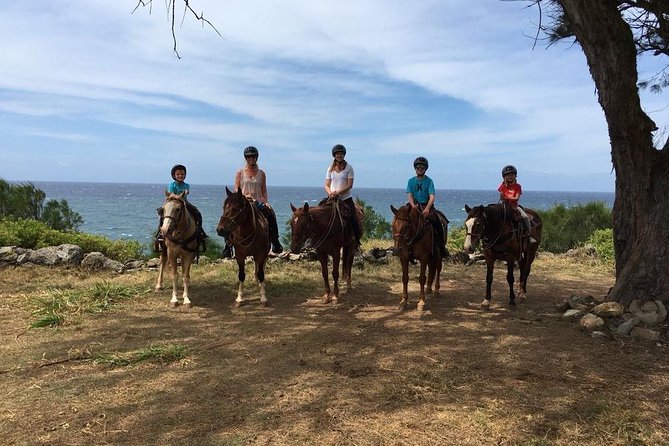
One of the more charming surprises is the petting zoo. You’ll stop where you can encounter animals like mini horses, sheep, rabbits, and other farm animals. Reviews also mention pigs, cats, deer, and peacocks, plus some animals that you can pet and some that are in enclosures.
This stop is more than “cute animals.” It gives your legs and back a break and makes the experience feel like you’re visiting a real working place, not just passing through a tourist checkpoint. If you’re traveling with kids, this is often the moment they remember most.
You’ll also often find that guides manage the timing well—one rider said the staff checks saddle and gear at multiple points, which helps the whole group feel cared for.
Photos and Cold Drinks: Small Touches That Matter
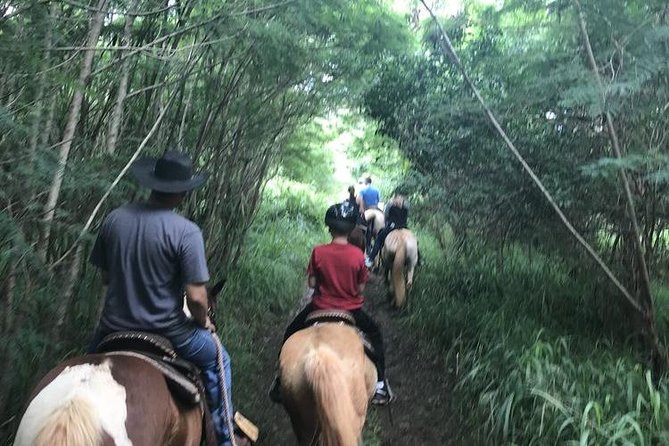
Soft drinks are included, and you’ll have access to what you need for the ride comfort. Guides also take photos throughout the tour, and riders mentioned multiple photo opportunities along the way.
One caution: photos may not be a constant “on-demand” thing every minute. A rider noted that pictures were taken only at certain spots rather than throughout. So if photos are a big deal for you, bring your own camera too and get ready when the group pauses.
Guides like Richard, Kai, Cierra, Cole, Sierra, and Ki were called out by name in reviews for being patient and organized, which usually means they’re paying attention to both safety and the little moments that make you want to remember the day.
What to Wear and Bring: Avoid Getting Miserably Dusty
If you want the short version: wear clothes you don’t mind washing hard later.
Here are the most practical tips I’d follow based on what people reported:
- Wear long pants and closed-toe shoes
- Skip white. Dust stains are real
- Use sunscreen generously
- Expect dirt and dust to get into places you didn’t plan for
- Bring a change of clothes if you have dinner plans afterward
Shoes deserve extra attention. One review warned that certain modern sneakers can be hard to get into the stirrups (so bring something that works smoothly). And if you’re wondering about footing: thick closed-toes with secure fit help your confidence when the terrain tilts.
If it rained recently, the trail can be muddy. Don’t assume every ride day is dry. Bring a camera you’re comfortable cleaning later.
Group Size and Pace: How to Know If This Ride Fits You
The tour caps at 14 travelers. Many riders described the group as small and said it felt personal, especially with multiple guides and assistants watching the group.
Still, group riding has a rhythm. Several riders mentioned that the group can stretch out a bit on the trail, and if you’re looking for constant conversation with your guide, you may not get it in every moment. One rider even suggested splitting by skill level, though the operator stated private rides are available if you want your party to ride with a guide.
The pace can also feel quicker on steep terrain. An experienced rider said the terrain felt suited more to intermediate and above riders. For brand-new riders, that doesn’t mean you’ll be unsafe—it means the ride can be physically more “working” than you expect. The good news is that beginner riders were repeatedly praised for being matched with calm horses and patient guidance.
Value for $187.50: What You’re Actually Paying For
At $187.50 per person, you’re not just paying for “time on a horse.” You’re paying for:
- Horse matching so you don’t need skills to enjoy it
- Guides who manage safety on steep terrain
- Equipment and saddling support
- Photo stops
- Included soft drinks
- And the petting zoo add-on
For many people, this ends up feeling like a full half-day adventure rather than a quick novelty ride. The value is best if you want scenery (mountain + ocean), a guided experience, and a place that makes beginners feel comfortable.
If you’re only chasing one specific item—like guaranteed waterfall views or a long beach ride—then your money might feel less “matched” to your expectations. In those cases, it’s worth comparing against a more specialized option.
Should You Book This West Maui Horseback and Ocean Tour?
I’d book it if you want a genuine West Maui experience: mountains on horseback, ocean views without needing to hike, and a real farm-animal stop that breaks up the day. It’s also a great choice if you’re new to riding and want the guide to handle horse selection and pacing.
I’d think twice if you’re hoping for:
- A guaranteed waterfall
- A long stretch of riding directly on the beach
- A ride that stays flat and slow the whole way
- A clean, pristine outfit afterward
If you’re okay with dirt, dust (or mud after rain), and a ride that’s scenic plus a bit “real,” this is one of the more complete ways to see West Maui in half a day.
FAQ
How long is the horseback ride?
The overall tour is about 3 hours 30 minutes, with approximately a 2-hour horseback ride.
Where does the tour start?
The meeting point is 2644 Kahekili Hwy, Wailuku, HI 96793. The activity ends back at the meeting point.
What time does the tour start?
The start time listed is 8:15 am.
Do I need prior horseback riding experience?
No. Your guide matches you with a horse based on your riding ability, and riders report the staff is especially helpful for beginners.
Will I see waterfalls?
You’ll view waterfalls in the valley when they’re in season and visible from the trail. Waterfalls are described as seasonal, so they’re not guaranteed.
Do you ride on the beach or on the water?
You ride along the oceanfront and coastline, but not on the beach (not on the white sand beach). The tour does not include riding on the water.
Is there a chance to trot, canter, or gallop?
There’s a run spot where you can trot, and for experienced riders there may be opportunities to canter or gallop when weather permits.
What should I wear?
Wear long pants, closed-toe shoes, sunscreen, and bring a camera. Also plan for dirt and dust from the trail.
What are the age and weight limits?
Minimum age is 7 years. The weight limit is 215 lb (97.72 kg) and is strictly enforced, including the stated policy if you exceed by 10 pounds.
How big are the groups?
The tour has a maximum of 14 travelers.
What happens if the weather is poor?
This experience requires good weather. If it’s canceled due to poor weather, you’ll be offered a different date or a full refund.
If you want, tell me what month you’re going and where you’re staying (Kaanapali area, Wailea, or elsewhere). I’ll help you pick the best mindset for waterfalls vs. dust vs. ocean views on that particular day.