REVIEW · MONUMENT VALLEY
2 Hour Monument Valley Horseback Tour
Book on Viator →Operated by Sacred Monument Tours · Bookable on Viator
Horseback is the best way to get close. This Monument Valley tour is a small-group ride that trades car windows for saddle-eye views of the famous sandstone buttes. You start near the park’s Visitor Center area, get matched with a horse, then follow a guided route that hits several high-impact viewpoints on horseback.
I love the practical setup: you get helmets and cowboy gear, plus clear safety steps before you ride. I also love the photo-friendly stops—your guide helps you frame shots at the big landmarks without turning it into a fast drive-by.
One thing to keep in mind: the label says about 2 hours, but some riders report the actual time in the saddle can be closer to 1 to 1.5 hours. So if you’re paying for the full ride window, ask about timing at the start.
In This Review
- Key highlights to know before you ride
- Why ride through Monument Valley instead of driving it?
- Getting set up at Sacred Monument Tours (and what to do if it’s your first time)
- Stop 1: The Mittens, where the buttes look like giant gloves
- Merrick Butte: the 5,000-foot prospector namesake and the Western-film silhouette
- Sentinel Mesa: the watchtower feeling at 6,200 feet
- Pace and timing: what the ride duration usually feels like
- Price and value: is $110 per person worth it?
- The guide experience: what names like Nelson, Logan, Marco, and Ezekiel signal
- What to bring and how to ride comfortably
- Who should book this horseback tour (and who should think twice)?
- Should you book Sacred Monument Tours for Monument Valley horseback riding?
- FAQ
- How long is the horseback tour?
- Where do I meet for the tour?
- Is the Monument Valley Navajo Tribal Park entrance fee included?
- What is included in the tour price?
- What should I expect during the first part of the tour?
- Which landmarks do you ride to?
- What’s the group size?
- Do I need to be an experienced rider?
- Is food and drink included?
- What happens if the weather is bad?
Key highlights to know before you ride
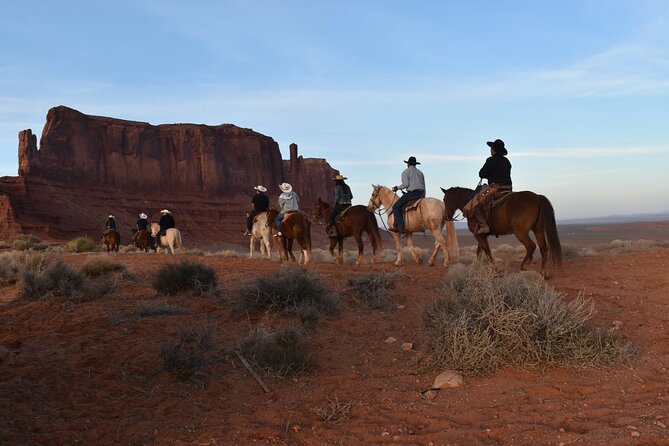
- Small group size (max 4 riders) keeps the ride calmer and more personal
- Horses are matched to your skill level and your size
- You stop at landmark shapes: The Mittens, Merrick Butte, and Sentinel Mesa
- Helmets and PPE are included, not optional
- Guides help with photos during scenic pauses
- A relaxed pace means no racing—expect a chill ride with lots of looking
Why ride through Monument Valley instead of driving it?
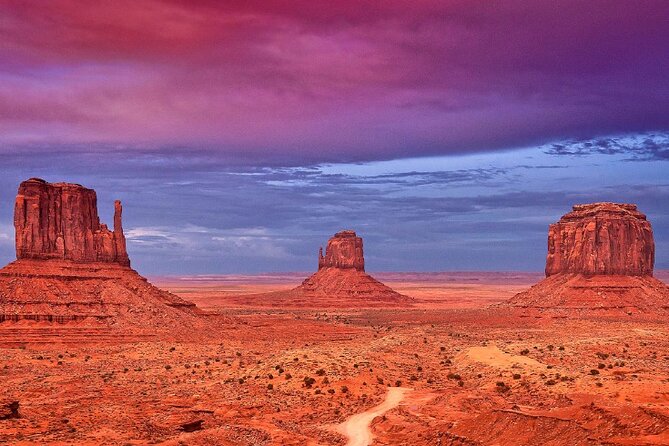
Monument Valley’s big red rock shapes are famous for a reason. But when you drive, you’re mostly sightseeing from a distance and a fixed viewpoint. On horseback, you get a slower rhythm and a lower, more intimate angle—so the buttes feel less like a postcard and more like you’re inside the scene.
The “win” here is access. The route is built around classic Monument Valley landmarks, yet you’re moving through washes and viewpoints in a way that cars simply can’t match. It’s a change of pace that makes even a short tour feel like a real experience, not a quick stop.
And because the group is small, you’re not fighting for space around a guide or waiting for a line to form. That matters when the sky is bright and the views are the whole point of the trip.
You can also read our reviews of more tours and experiences in Monument Valley.
Getting set up at Sacred Monument Tours (and what to do if it’s your first time)
You meet at Sacred Monument Tours on Main Monument Valley Rd. From there, you head toward the horse stable path near The View Hotel Premium Cabins area, then meet your Navajo guide.
Before you ride, you’ll:
- sign a waiver
- get a safety briefing
- get matched with a horse based on your experience, skill level, and size
You’ll also receive cowboy hats and helmets, along with PPE (personal protective equipment). That’s a good sign for comfort and basic riding safety—especially if you’re new to horseback.
A note from the real-world experience side: most riders describe the horses as gentle and well-behaved. But one caution shows up in the feedback too: there is at least one report of a rider being thrown due to a horse rearing. That doesn’t mean it’s likely, but it is enough for you to treat the safety briefing seriously and to speak up immediately if you feel unsure.
If it’s your first ride, ask the guide what the first few minutes will feel like. You can also request extra instruction on mounting, steering cues, and what to do if your horse gets spooked. A calm start makes the rest of the tour better.
Stop 1: The Mittens, where the buttes look like giant gloves
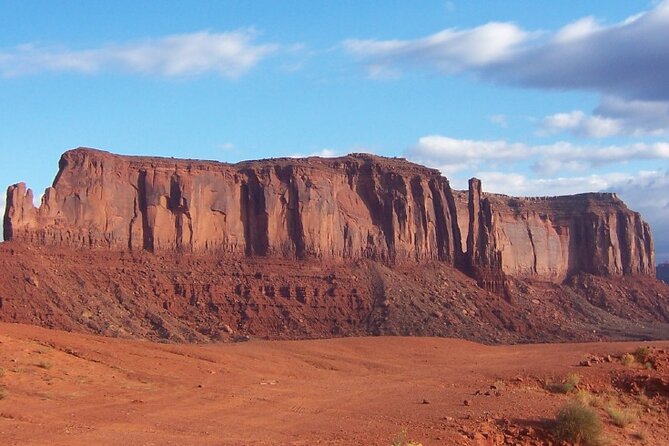
The ride begins with a scenic route toward The Mittens, also known as the West and East Mitten Buttes. This is one of those Monument Valley scenes where the shape does something to your brain. Seen from the south, the buttes look like two enormous mittens with the thumbs facing inward.
On horseback, you get time to actually notice the details. You’re not just looking at a name on a map. You’re seeing scale—how big the forms feel when you’re close enough to follow their edges with your eyes.
What I like about this stop is that it sets the tone for the whole tour. The guide can point out how viewpoint changes perception, and you’ll understand quickly why Monument Valley has been filmed for decades. Even if you’re not a western-movie fan, you’ll get the visual language fast.
One small consideration: because this is a scenic ride, you’ll spend a decent chunk of the two hours moving between pauses. If you’re expecting long, stop-and-look stretches all the time, you’ll want to manage expectations.
Merrick Butte: the 5,000-foot prospector namesake and the Western-film silhouette
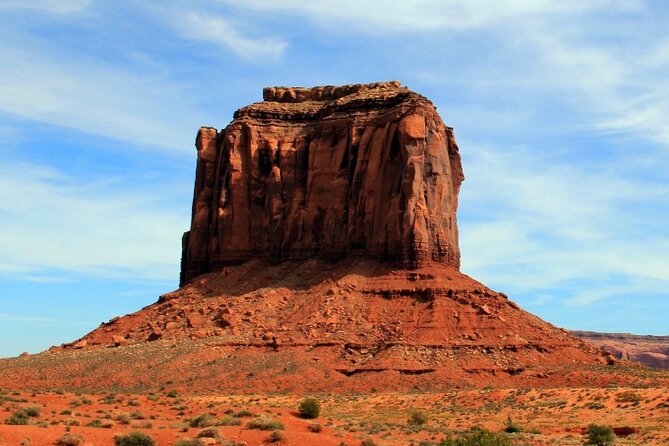
Next comes a stop tied to Merrick Butte, named after a 19th-century prospector, Richard Merrick. The butte sits about 5,000 feet above sea level and is often seen in iconic Western films, which is why it’s such a recognizable shape on horseback tours.
This is one of the moments where you feel the advantage of riding. From the saddle, the butte’s silhouette lines up in a way that’s hard to recreate by car. You’re also riding in a way that makes the valley feel layered—sand, scrub, and distant rock forms all stacking into the same view.
If you want photos, Merrick Butte is a strong target. The iconic outline works well in both bright sun and softer light later in the day, and your guide will pause so you can frame shots comfortably. Many riders appreciate that your guide actively helps with photo opportunities, not just pointing and moving on.
Sentinel Mesa: the watchtower feeling at 6,200 feet
The final big landmark stop centers on Sentinel Mesa, often described as the watchtower of the valley. It stands around 6,200 feet, and it’s portrayed as a natural landmark that has guided the Navajo people and early explorers for centuries.
On horseback, this is where the ride can feel most dramatic. The mesa’s distinct shape reads clearly from multiple angles, and the surrounding desert views open up wide. For photography, this is a top stop—because you can look beyond one rock and see the overall geometry of the valley.
There’s also a quiet, practical value to this kind of stop. When you’re on horseback, your sense of distance improves. You start to feel how far the buttes really are, how the washes cut through the red earth, and why certain rock formations become the “anchor” points of the whole area.
And yes, it can feel like a lone sentinel keeping watch. That’s exactly the emotion the stop is meant to deliver—and it’s one reason riders call the tour surreal or unforgettable.
Pace and timing: what the ride duration usually feels like
The tour duration is listed as about 2 hours. You’ll also hear from riders that the pace is relaxed—slow enough for beginners to stay comfortable. One common expectation: don’t plan on trotting or running. This is a calm ride with lots of time to look and take pictures.
Small group size matters here. With a maximum of 4 travelers, the guide doesn’t have to herd a crowd. You can actually hear explanations, and you can keep your balance without constantly adjusting around other horses.
Still, the timing story is the main “watch this” issue. Some people report the experience ends earlier than expected or that the time in the saddle doesn’t fully match the advertised window. If you’re budgeting your day tightly—or you’re booking a birthday or special surprise—do two things:
- Ask the guide at the start how long you expect to be riding (not just when you’ll be back).
- Confirm that your booking is aligned with their schedule for that day.
That one step can save a lot of frustration.
Price and value: is $110 per person worth it?
At $110 per person, this tour sits in the mid-to-higher range for short experiences. So the real question isn’t whether it’s expensive—it’s what you get for the money.
Here’s the value case that works in its favor:
- Guided route to multiple iconic landmarks you’d struggle to reach on foot
- Small group size that improves comfort and attention
- Horse matching based on your experience and size
- Helmets and hats included, plus PPE
- Photo opportunities, with your guide helping with shots
What costs extra:
- Monument Valley Navajo Tribal Park entrance fee at $20 (not included)
- Food and drinks
- Private transportation
- Extended/custom stops
When I think of value, I also factor in how you want to remember the trip. If you want a quick “drive and snap photos” day, a horseback ride will feel pricey. If you want a sensory memory—horse pace, open views, and landmark stops that feel personal—then the price starts to make sense fast.
Also, many riders put this at the top of their Monument Valley plans. The reason is simple: it’s one of the few ways to slow the whole place down and see it from the ground-level perspective.
The guide experience: what names like Nelson, Logan, Marco, and Ezekiel signal
Guides play a big role in whether this feels like a great ride or just a ride. You’ll meet a Navajo guide, and many riders praise the storytelling and the care during the route.
Names that show up in the feedback include Nelson, Ezekiel, Marco, Logan, and Adam. Some riders specifically highlight how their guides shared stories and helped with photos. One rider also notes Marco sang—so yes, the vibe can get extra memorable.
If you want more history than just route directions, be ready to ask for it. A couple of people felt they didn’t learn enough about the land or Navajo culture. That doesn’t mean it’s missing, but it may mean your guide’s style leaned more toward riding help and scenic commentary. The fix is easy: ask questions during the pauses.
And keep an eye on the guide-horse dynamic. When the guide is calm and clear, everything runs smoother. If you’re nervous, mention it right away so the guide can adjust how they manage your horse and your pacing.
What to bring and how to ride comfortably
This is a short tour, so you don’t need a full camping setup. But Monument Valley conditions can be hot or windy, and the ride is outdoors.
Bring:
- sunscreen and sun protection
- water (even if food isn’t included)
- comfortable pants and shoes that grip well
- layers for temperature shifts
Dress for dust and sun. The guide provides helmets and hats, but you still want to protect your neck and face. If you’re prone to cold, the desert can cool faster than you expect after sunset.
If you have balance concerns or back pain history, treat this as a serious activity. Mention it before you sign and ask what precautions they take. One negative account involves a rider getting injured after a horse reared—again, not a guarantee of what will happen, but it’s a reminder to ride smart and cautious.
Who should book this horseback tour (and who should think twice)?
This tour fits best if you want:
- a small-group experience
- classic Monument Valley views from horseback
- a relaxed pace
- a guide who can help with photo stops
It’s also a good first-timer option. Multiple riders described it as easy and fun even without prior riding experience. The horse matching process helps, too.
Think twice if:
- you need guaranteed, fully uninterrupted time in the saddle and your schedule can’t flex (some timing reports run short)
- you’re highly risk-averse and don’t feel comfortable with riding after a safety briefing
- you’re expecting deep cultural history nonstop rather than scenic commentary and on-the-move guidance
This is not a stunt riding show. It’s a calm, guided route designed for seeing the big landmarks closely.
Should you book Sacred Monument Tours for Monument Valley horseback riding?
If your top goal is to see The Mittens, Merrick Butte, and Sentinel Mesa with a horse under you, this is one of the best ways to do it. For the price, you’re paying for real landmark access, small-group attention, and included riding safety gear. If you also care about photos, the guide support at stops is a strong plus.
My “yes, book it” checklist:
- You’re okay with a slow, chill pace
- You can handle possible timing differences and still feel you’re getting your money’s worth
- You want the iconic shapes up close rather than from a car window
My “double-check first” checklist:
- Ask how long you’ll actually be riding when you meet the guide
- Bring water and dress for sun/wind
- If it’s your first time, ask for extra instruction before you mount
If you line those up, you’ll likely leave with the kind of memory that doesn’t fade fast.
FAQ
How long is the horseback tour?
The tour is listed as approximately 2 hours.
Where do I meet for the tour?
You meet at Sacred Monument Tours on Main Monument Valley Rd in Oljato-Monument Valley, UT 84536.
Is the Monument Valley Navajo Tribal Park entrance fee included?
No. The entrance fee is $20 and is not included.
What is included in the tour price?
The tour includes a tour guide, cowboy hats and helmets, PPE (personal protective equipment), GST, and photography opportunities.
What should I expect during the first part of the tour?
You arrive at the Sacred Monument Tours horse stable, meet your Navajo guide, sign a waiver, and get a safety briefing before riding.
Which landmarks do you ride to?
The route includes stops toward The Mittens (West and East Mitten Buttes), Merrick Butte, and Sentinel Mesa (described as the watchtower of the valley).
What’s the group size?
The tour has a maximum of 4 travelers.
Do I need to be an experienced rider?
The tour says most travelers can participate, and the horses are selected based on your experience level and size.
Is food and drink included?
No. Food and drink are not included.
What happens if the weather is bad?
The tour requires good weather. If it’s canceled due to poor weather, you’ll be offered a different date or a full refund. You can also cancel up to 24 hours in advance for a full refund.