REVIEW · MONUMENT VALLEY
1 Hour Monument Valley Horseback Tour
Book on Viator →Operated by Sacred Monument Tours · Bookable on Viator
Horses and red rock in one hour. If you want Monument Valley without a long day plan, this small-group horseback ride takes you straight toward the Mitten Buttes and Sentinel Mesa, with gear and photo moments handled.
I especially like the cowboy hats and helmets plus PPE—it means you can show up light and still get the full western-rider look. I also like how the guide keeps the ride moving at a comfortable pace while sharing stories and local context that make the scenery feel more than just famous photos.
One watch-out: the Monument Valley Navajo Tribal Park entrance fee is extra, and it’s worth building time in for the stop at the entrance and then finding the stables without rushing.
In This Review
- Key things to know before you ride
- A one-hour Monument Valley horseback ride that fits real day plans
- Where the tour starts: Sacred Monument Tours and finding the stables
- What’s included: hats, helmets, PPE, guide time, and photo stops
- How the ride feels: horses, first-time comfort, and safety gear
- The 60-minute route: from the Mittens toward Sentinel Mesa
- Stop 1: The Mittens (West and East Mitten Buttes) up close
- Stop 2: Richard Merrick’s butte and the scale lesson
- Stop 3: Sentinel Mesa, the watchtower at 6,200 feet
- Guides and storytelling: what you can expect from different ride leaders
- Photo moments that don’t feel forced
- Price and value: what $120 covers, and what to budget extra
- Weather and timing: the conditions that affect your ride
- Who should book this horseback tour?
- Should you book this 1-hour Monument Valley horseback tour?
- FAQ
- How long is the Monument Valley horseback tour?
- How many people are on the tour?
- What price should I expect to pay for the tour?
- What’s included in the price?
- What entrance fee is not included?
- Are food and drinks included?
- Where does the tour meet?
- When should I expect confirmation after booking?
- Is the tour suitable for everyone?
- What happens if the weather is bad?
Key things to know before you ride
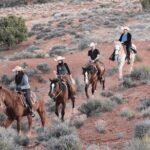
- Up to 4 riders means you get a more personal guide experience than big-vehicle tours.
- Hats, helmets, and PPE are provided, so you can focus on riding and photos, not packing gear.
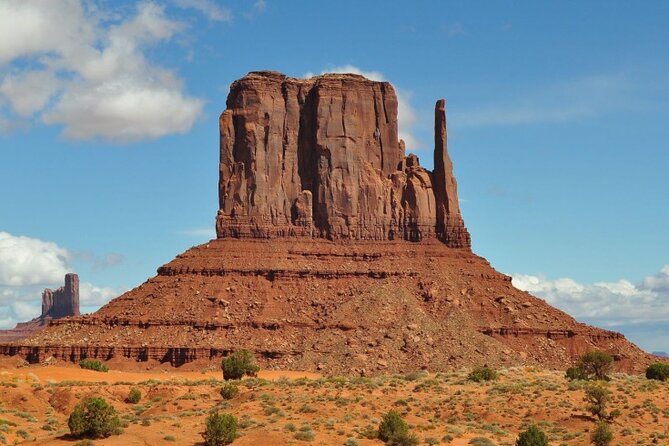
- The route targets the Mittens and Sentinel Mesa, two of the most recognized formations in the valley.
- You’ll get photos at set spots, so you’re not stuck trying to take selfies while mounted.
- One hour on horseback, then you’re free to explore Monument Valley on your own for the rest of the day.
- Tribal park entry is not included, so you need cash or card for that separate fee.
A one-hour Monument Valley horseback ride that fits real day plans
This is a classic Monument Valley experience with a smart time shape: about 1 hour on horseback, then you’re done. That matters because Monument Valley is one of those places where the driving and viewpoints can eat up time fast. This tour gives you the horse-and-red-rock angle without forcing your whole schedule around it.
The setting is the valley itself—so the ride feels like you’re moving through the same visual world as the postcards. You’ll head toward formations people come to see from cars, but you’ll get close enough to notice scale and texture that you usually miss from the pull-offs.
You can also read our reviews of more tours and experiences in Monument Valley.
Where the tour starts: Sacred Monument Tours and finding the stables
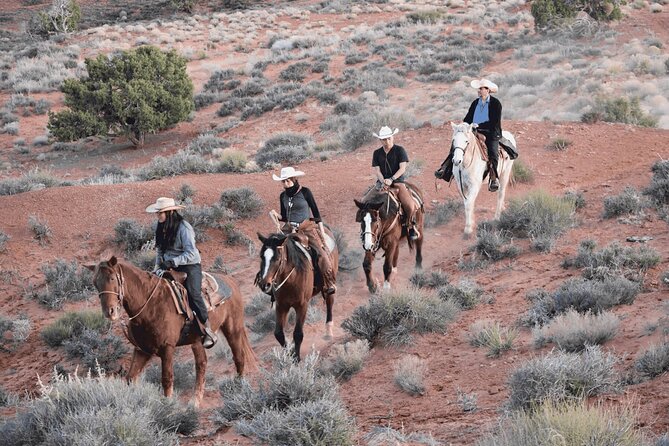
Your meeting point is Sacred Monument Tours on Main Monument Valley Rd in Oljato-Monument Valley, UT. The good news: the tour is designed to be easy to locate if you follow the address and arrive on time.
The practical caution: some people have trouble finding the riding stables (often tied to navigation app directions). So I’d plan like this: give yourself a buffer, double-check the address before you go, and don’t wait until the last minute to park. If you’re unsure, call ahead rather than assuming you’ll stumble into the right turn.
Also, build time for Monument Valley Tribal Park entry. Even if you’re on schedule for the horse ride, the entrance desk can add a delay.
What’s included: hats, helmets, PPE, guide time, and photo stops
This tour includes the stuff that usually makes a horseback outing feel intimidating—helmet, cowboy hat, and PPE. It also includes the tour guide, GST, and photography opportunities.
A couple of details stand out here. First, you’re not expected to bring your own headgear or PPE, so you can travel with less. Second, the ride includes photo moments at more than one spot, which is huge because photographing from a moving horse is harder than it looks.
How the ride feels: horses, first-time comfort, and safety gear
The biggest factor for most first-timers is whether the horse ride feels controlled and calm. From what I’ve learned about the experience, the horses used on this type of ride are generally well trained, and guides take time with riders who have never mounted a horse before.
You should still expect the body lesson. Even though the ride is only about an hour, a bit of leg soreness after can happen—especially if you’re not used to the saddle position. That’s not a deal-breaker, just plan for it like you would for a longer hike.
Safety-wise, the tour provides helmets and PPE, and that’s a real comfort factor when you’re riding outdoors. You’ll also want to follow the guide’s instructions closely about mounting, riding posture, and where to look while the horse moves.
The 60-minute route: from the Mittens toward Sentinel Mesa
The tour is built around a short but scenic circuit. You’ll ride to The Mittens (the West and East Mitten Buttes) first, then continue toward the watchtower-like presence of Sentinel Mesa.
Because the total riding time is about an hour, the pacing is the point. You won’t spend the whole experience inching along in a long loop. Instead, you’ll get a meaningful chunk of ride time that targets iconic places—so you come away with the Monument Valley feeling, not just a short scenic walk on horseback.
Stop 1: The Mittens (West and East Mitten Buttes) up close
The ride starts with scenic time toward The Mittens, also known as the West and East Mitten Buttes. These formations are famous for a reason: they’re visually distinctive, and they also work as a great “welcome” stop because you can make sense of what makes them iconic.
What you’ll get on the ride here is the connection between the visuals and the geology. You’ll hear how the buttes formed and why they look the way they do, plus you’ll get time to enjoy the views before the next landmark takes over.
Practical note: since this is your early stop, it’s a good moment to get relaxed. Once you’re comfortable in the saddle, the rest of the ride usually feels smoother.
Stop 2: Richard Merrick’s butte and the scale lesson
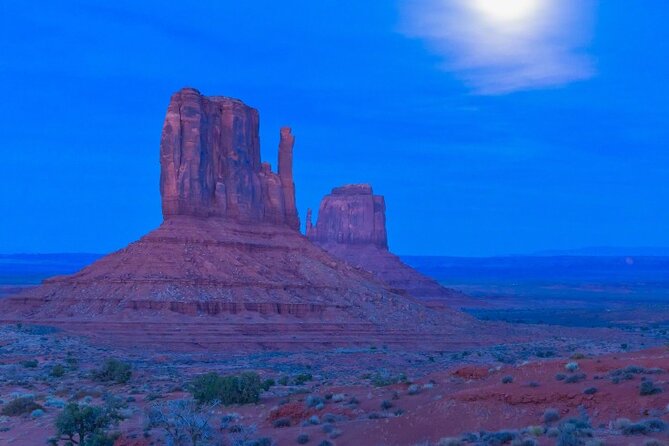
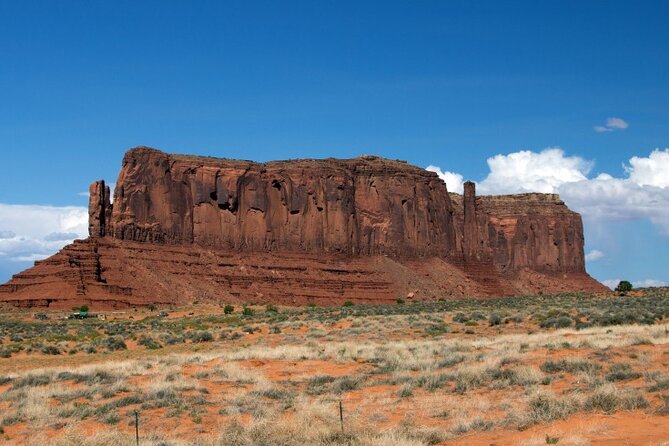
Next up is a butte tied to a 19th-century prospector, Richard Merrick. It’s a neat example of how Monument Valley gets its story through both people and rock formations—names, timelines, and then the sheer physical scale that outlasts human timelines.
This butte stands about 5,000 feet above sea level and is often shown in classic Western imagery. The ride gives you the chance to see what that fame actually feels like in real space: distance, height, and the way the buttes frame the sky.
The drawback here is simple: since the ride is only one hour, the stops are shorter than on half-day tours. If you want long storytelling time at one exact spot, this format may feel fast.
Stop 3: Sentinel Mesa, the watchtower at 6,200 feet
The last stretch focuses on Sentinel Mesa, often described as the valley’s watchtower because of its towering presence and strategic position. It stands around 6,200 feet and has long served as a natural landmark.
What I like about ending here is the clarity of the idea. The ride goes from a distinctive set of buttes to a single dominant mesa-like presence that people use as a reference point. It’s a strong way to experience the valley’s “orientation,” not just admire it.
You’ll likely hear about how this landmark guided people over time, including how it relates to Navajo life and the importance of visible natural markers. That adds weight to the view, especially when you can see the mesa from multiple angles as the horse moves.
Guides and storytelling: what you can expect from different ride leaders
A good horse guide changes the whole experience. In this tour style, you’ll often get stories that connect the formations to local customs, folklore, and meaning tied to the natural world.
Guide names that have shown up with this experience include Ethan, Dino, Logan, Nikko, Nelson, and Dion. Across those different guides, the common thread is that they share context beyond a simple point-and-look explanation—things like Navajo customs and folklore, and even how plants and rocks fit into meaning.
So if you care about understanding what you’re looking at—beyond the camera frame—this tour format tends to deliver.
Photo moments that don’t feel forced
This is one of those activities where photos can either be a hassle or part of the fun. Here, photography is built in as part of the ride, and you’ll have set opportunities to get photos while mounted.
Also, the group stays small, which helps. When you’re not dealing with a long line of riders, it’s easier for the guide to time your photo moments and get you into the right position.
Bring your best eyes, though: even with photos handled, you still want to soak it in. Monument Valley does not need filters, and the buttes look extra solid when you’re moving through the space.
Price and value: what $120 covers, and what to budget extra
At $120 per person for about an hour, the key question is what you’re paying for. You’re paying for horses, a trained guide, and the gear support (helmets, cowboy hats, PPE) plus photo opportunities. You’re also paying for access to viewpoints that are harder to reach in the same way by car.
That access is the heart of the value. Cars get you to many of the famous pull-offs, but a horse ride changes your relationship to the terrain—more contact, more time looking up close, and fewer barriers between you and the rock formations.
Two extra costs to keep in mind:
- Monument Valley Navajo Tribal Park entrance fee ($20) is not included, and you pay it directly at the time of your visit.
- Food and drinks are not included, and this is only one hour, so you’ll want snacks ready for later if you’re staying out.
If you’re doing a tight itinerary and want a real Monument Valley experience without a half-day commitment, this pricing can make sense.
Weather and timing: the conditions that affect your ride
This activity requires good weather, so if conditions don’t cooperate, you should expect a different date offer or a full refund. Since you’re riding horses outdoors, it’s also smart to plan like the tour is weather-dependent.
In addition, the tour needs a minimum number of travelers. If that minimum isn’t met, you may be offered a different experience date or a refund.
For timing, remember: the ride is about one hour, so your day planning should leave room for the entrance fee stop and the drive to the meeting area.
Who should book this horseback tour?
This tour is a great fit if you:
- Want Monument Valley by horseback without committing to a longer day.
- Prefer a small-group experience rather than a crowded setup.
- Care about getting photos at set stops and learning a bit about what you’re seeing.
- Like the idea of riding for about an hour and then using the rest of your day for your own viewpoints.
It may not be ideal if you:
- Are very sensitive to time constraints and worry about delays at the park entrance.
- Want extended time at one location, since the whole experience is short by design.
Should you book this 1-hour Monument Valley horseback tour?
If your goal is a classic Monument Valley experience that feels authentic and efficient, I’d book it—especially if you’re excited to ride close to The Mittens and then end with the strong presence of Sentinel Mesa. The combination of gear provided, small group size, and photo moments makes it easier to have a smooth ride.
Just do two things first: plan for the $20 tribal park entrance fee, and arrive early enough to find the stables without stress. If you can do that, this one-hour ride is a smart way to get the horse-and-rock experience without overplanning your whole day.
FAQ
How long is the Monument Valley horseback tour?
It’s approximately one hour.
How many people are on the tour?
The group size is very small, with a maximum of 4 travelers.
What price should I expect to pay for the tour?
The tour price is $120.00 per person.
What’s included in the price?
The tour includes cowboy hats and helmets, PPE, GST, a tour guide, and photography opportunities.
What entrance fee is not included?
The Monument Valley Navajo Tribal Park entrance fee is not included. The listed fee is $20.00, and you pay it directly at the time of your visit before the tour starts.
Are food and drinks included?
No. Food and drinks are not included.
Where does the tour meet?
The meeting point is Sacred Monument Tours on Main Monument Valley Rd, Oljato-Monument Valley, UT 84536, USA.
When should I expect confirmation after booking?
Confirmation is received at the time of booking.
Is the tour suitable for everyone?
The info says most travelers can participate.
What happens if the weather is bad?
The tour requires good weather. If it’s canceled due to poor weather, you’ll be offered a different date or a full refund.