REVIEW · MEDELLIN
Coffee Tour with arrival on horseback and sugar cane processing
Book on Viator →Operated by AEROTUREX S.A.S · Bookable on Viator
Horseback and coffee in one morning can work. You ride up to a coffee farm, meet the family crew, pick beans, and learn the process, plus the tour includes sugar cane processing as part of the visit. What I like most is the hands-on coffee picking paired with real instruction from guides like Christian, and the big mountain payoff from the lunch setting. One thing to consider: this is outdoors on a working farm, and it needs good weather, so plan for a reschedule if conditions aren’t right.
This tour feels personal in a way you don’t get from big factory-style coffee shows. It’s family-operated and small, with a max of 20 people, so you get time to ask questions and move at a human pace. For me, the best part was how the experience turns coffee into a story you can taste and understand, not just something you buy in town. The small drawback: you should expect some time on your feet in farm conditions, so comfortable shoes matter.
In This Review
- Key Highlights You’ll Notice Right Away
- Starting Point at LA 9 Mall: Easy Meet, Easy Return
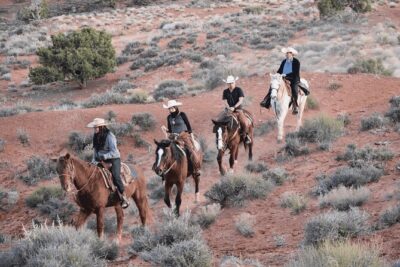
- The Horseback Arrival: A Short Ride That Adds Real Flavor
- The Coffee Farm Visit: History, Bean Picking, and How Coffee Actually Happens
- What you do in the field
- What you learn from the guide
- Why this is valuable (even if you think you know coffee)
- Lunch Under the Banana Leaf: Where the View Becomes Part of the Meal
- The Sugar Cane Side of the Tour: The Sweet Companion to Coffee
- Coffee Tasting and Brewing Methods: Learning by Taste, Not Just Theory
- Transportation and Timing: A Half-Day That Doesn’t Waste Your Morning
- Price and Value: What $75.90 Buys You in the Real World
- Who This Tour Fits Best (and Who Might Reconsider)
- Should You Book This Medellín Coffee-and-Cane Farm Tour?
- FAQ
- How long is the coffee tour with horseback arrival?
- Where does the tour start in Medellín?
- What time does the tour start?
- How much does it cost?
- Is it a small group tour?
- What if the weather is bad?
- Are service animals allowed?
Key Highlights You’ll Notice Right Away
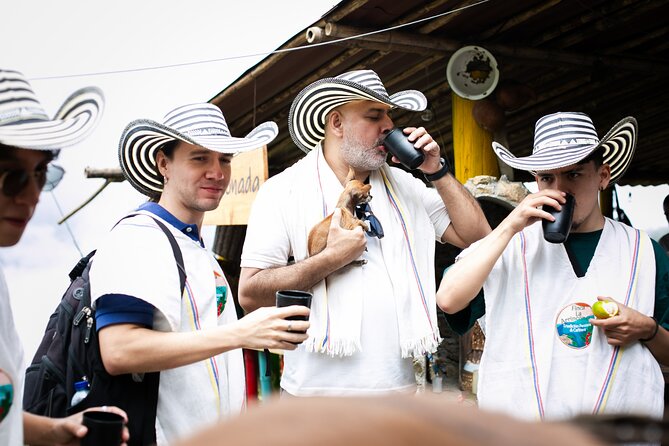
- Family-run operation: You’ll spend the day with the owners and neighbors, not a scripted production line.
- Quick horseback or mule ride: Short, fun, and practical for reaching the coffee mountainside.
- Bean picking time: You get to pick ripe coffee berries yourself, hands-on style.
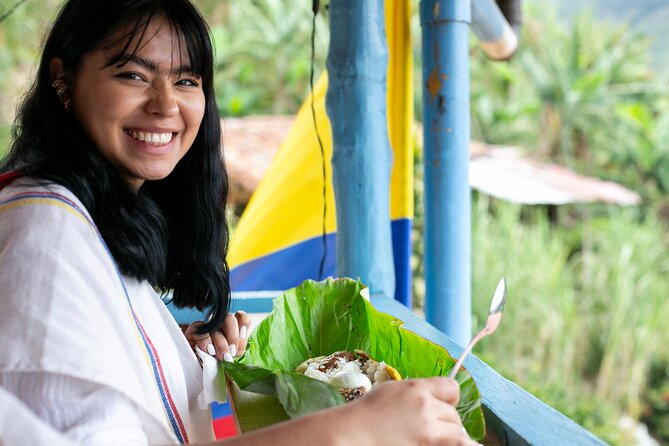
- Traditional lunch with mountain views: Meals come served in a banana leaf setting outdoors.
- Coffee education plus tasting: You’ll learn the process and try coffees prepared in different ways.
- Small group size: With up to 20 people, it’s easier to get answers and actually connect.
Starting Point at LA 9 Mall: Easy Meet, Easy Return
Your day starts at LA 9 Mall Gastroturístico in El Poblado. The meeting point matters more than you’d think in Medellín, because morning traffic and getting turned around can quietly wreck a half-day plan. Starting here also helps keep the tour smooth: you depart for the farm from the same place you return to.
From there, you’re looking at a total duration of about 4 to 6 hours, so it’s long enough to feel like a real farm experience, not a quick photo stop. And the tour description keeps things straightforward: the tickets for the stops listed are free, so your money mainly goes to the guide time, farm experience, and lunch.
You can also read our reviews of more tours and experiences in Medellin.
The Horseback Arrival: A Short Ride That Adds Real Flavor
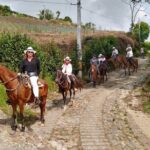
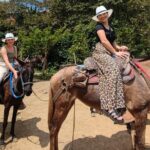
The headline here is arriving by animal—horses or mules—up to the coffee area. Don’t expect a long, theatrical parade ride; the experience is more like a fun “gateway” to the working farm. In the reviews, that short ride consistently gets called out as wonderful because it adds energy immediately, and it also makes the climb part of the story rather than a chore.
You’ll typically dress for farm conditions in a way that fits the vibe—ponchos and hats show up in the experience—and you’ll move from the ride into the day’s main activities. This part is best for people who enjoy playful, hands-on travel. If you’re worried about animal rides, or you prefer to avoid any time with farm movement, it’s worth thinking through your comfort level before booking.
The Coffee Farm Visit: History, Bean Picking, and How Coffee Actually Happens
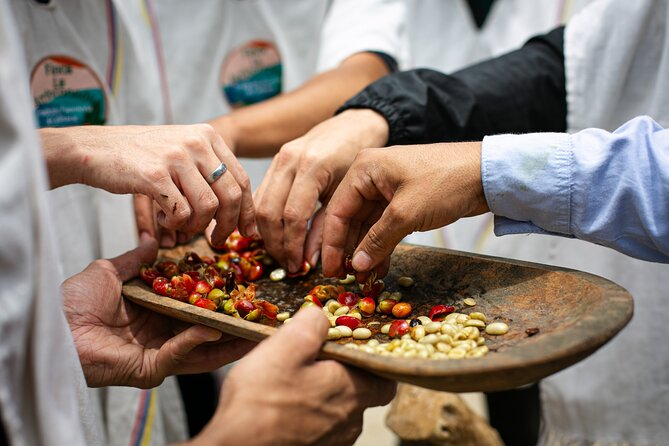
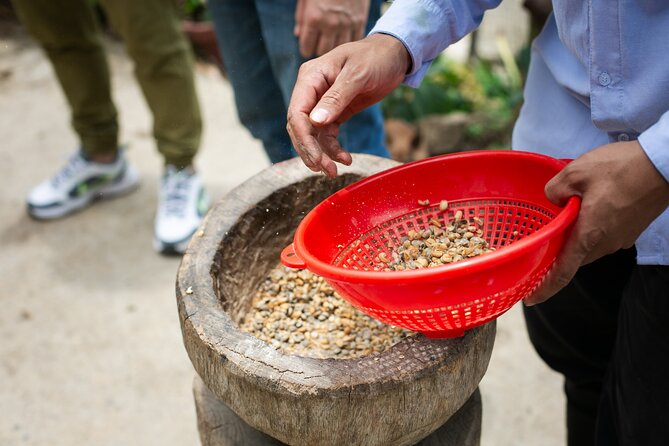
Once you reach the farm, you’re welcomed by a local guide and pulled into the coffee process. This is where the tour earns its reputation. Instead of only talking in generalities, you’ll get the step-by-step flow of coffee production and a chance to do the labor-style activities—especially picking ripe coffee beans.
What you do in the field
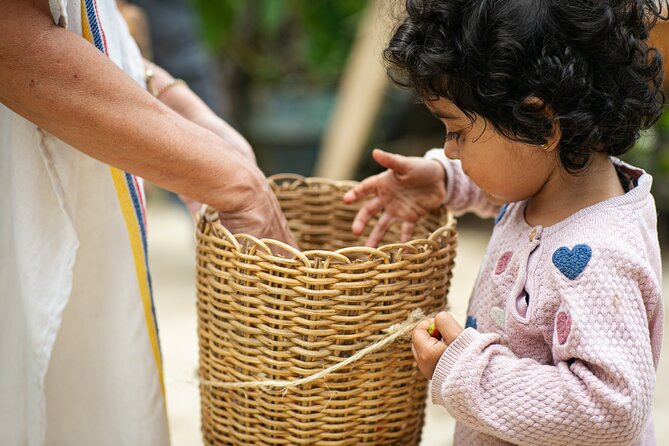
The day includes time to walk the farm and pick coffee berries yourself. That’s not just “cute tourism.” It helps you see why coffee quality starts with choosing the right berries, and it makes the later tasting make more sense.
What you learn from the guide
The guide plays a big role. In multiple accounts, Christian—connected to the owner family—shows up as enthusiastic, funny, and genuinely eager to explain the process. That matters because coffee can feel complicated fast. When the guide is clear, your takeaway sticks.
Why this is valuable (even if you think you know coffee)
Even if you already drink coffee regularly, you’ll likely pick up new details. The instruction here isn’t just about where beans come from; it’s about how the farm’s work connects to what you taste later. One review even notes that the education improved the person’s understanding of their own coffee habits—proof that this tour can surprise people who aren’t total beginners.
Lunch Under the Banana Leaf: Where the View Becomes Part of the Meal
One of the most memorable moments on this tour is lunch. You’ll eat a traditional meal that’s served in a banana leaf setting, with the mountains in view. That sounds like a small detail, but it changes the whole feel of the day.
Eating outdoors on a farm turns lunch into a pause point. You’re not just fueling up; you’re taking in the setting that shaped the coffee you’re learning about. And because the operation is family-run, lunch also tends to feel integrated into the day rather than tacked on at the end.
If you like experiences where food is connected to place, this lunch is a strong reason to book. If you’re the type who gets impatient with longer pauses outdoors, you’ll still find it worth it, but you may want to pace yourself and stay hydrated earlier in the morning.
The Sugar Cane Side of the Tour: The Sweet Companion to Coffee
This experience is billed as including sugar cane processing alongside the coffee farm visit. The coffee portion is the clearest described part of the itinerary, but the overall concept is that you’ll get a view of how local agriculture works beyond just coffee.
Here’s the practical way to treat this: go in with the expectation of seeing how cane becomes something used and traded, in the same on-the-ground way you’re shown coffee. You won’t get a laboratory demonstration from a distance. You’re more likely to get a working-farm explanation—simple, direct, and rooted in how the family does business.
If you’re a coffee-focused traveler, you’ll probably love the cane piece as an extra bonus rather than the main event. And if you’re curious about agriculture in Antioquia, it adds variety so your day doesn’t feel like a single-ingredient theme.
Coffee Tasting and Brewing Methods: Learning by Taste, Not Just Theory
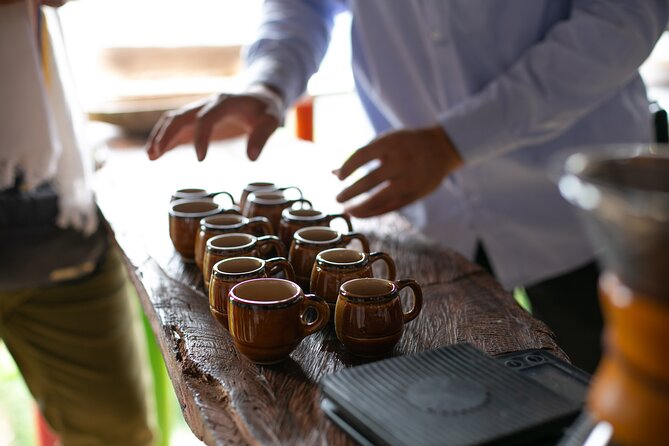
In addition to the farm work, the tour includes coffee tasting, and it’s not just one style. The experience includes trying coffees prepared with different methods, including some you may not have heard of before.
This is a smart way to learn. When you compare different preparations, you start noticing how changes in method affect flavor. It also helps connect what you learned in the field—how coffee is handled and processed—to what ends up in the cup.
Bring a curious attitude here. You don’t need to be an expert taster. The point is to notice differences and learn what causes them, guided by the family’s explanations.
Transportation and Timing: A Half-Day That Doesn’t Waste Your Morning
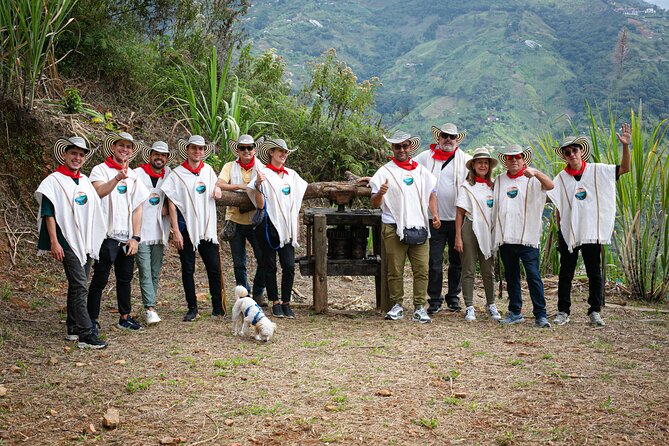
A common complaint about farm tours is too much waiting: long transfers, slow starts, then a brief activity burst. Here, the pacing is described as quick and comfortable, with transportation between the city and the farm handled so the day keeps moving.
The tour starts around 8:40 am, which is a good time to get outdoors before the day gets too hot. With 4 to 6 hours total, you’ll still have time for Medellín in the afternoon, including casual wandering in El Poblado or a second bite somewhere in town.
Group size is limited to 20 travelers max, which also helps with timing. Smaller groups usually mean less time waiting your turn when it comes to picking, walking, and questions.
Price and Value: What $75.90 Buys You in the Real World
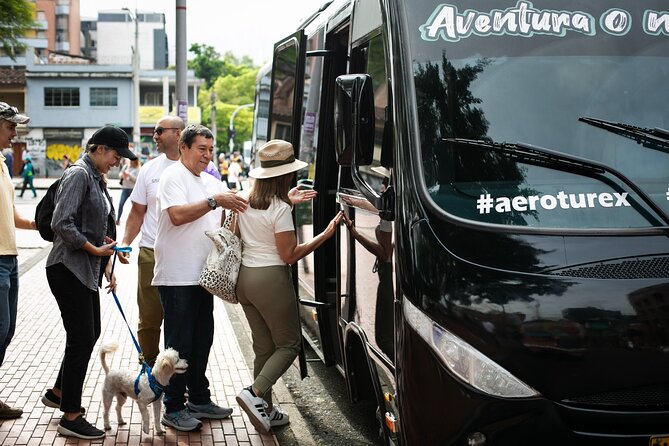
At $75.90 per person, this is not a budget-only activity. But it also isn’t a “pay for a view” tour. In value terms, you’re paying for:
- Guided farm time (history, process, and questions)
- Hands-on picking of ripe coffee berries
- Coffee tasting with different preparation methods
- A traditional lunch served in a banana leaf style
- On-site experience supported by a family operation and neighbors
- Transport that’s described as quick and comfortable
Also, the tour lists admission tickets as free for the stops shown, which supports the idea that your money is going into the experience itself.
Is it worth it? If you like authentic, small-group cultural food experiences, it’s a strong yes. If you want a fast “see coffee, take photos, leave” tour, the time on a working farm might feel like more effort than you expected.
Who This Tour Fits Best (and Who Might Reconsider)
This tour is ideal for you if you:
- Want real agricultural experience, not just a coffee lecture
- Enjoy learning through doing (picking beans, tasting, asking questions)
- Like small-group tours with a family-run feel
- Want lunch that feels part of the landscape, not a boxed meal
You might reconsider if you:
- Strongly prefer tours that avoid any animal element (horse/mule arrival)
- Don’t do well with outdoor farm settings
- Are booking purely for a quick look at coffee without hands-on participation
The tour states that most travelers can participate, and it allows service animals. Still, your personal comfort matters most with animal rides and farm walking.
Should You Book This Medellín Coffee-and-Cane Farm Tour?
If you’re choosing between a coffee tour that talks and one that lets you touch the process, this is the type that tilts toward your hands. The combination of horseback arrival, bean picking, family energy, and lunch with a mountain view makes it feel like a full experience, not a checkbox.
I’d book it if you want to understand coffee in a way that actually changes how you order and taste afterward. I’d skip it only if you’re not into farm work style activities or you’d rather avoid animal rides.
FAQ
How long is the coffee tour with horseback arrival?
It runs about 4 to 6 hours.
Where does the tour start in Medellín?
The meeting point is LA 9 Mall Gastroturístico, located at Cl. 9 #42-27 in El Poblado. The tour ends back at the same meeting point.
What time does the tour start?
The start time listed is 8:40 am.
How much does it cost?
The price is $75.90 per person.
Is it a small group tour?
Yes. The experience has a maximum of 20 travelers.
What if the weather is bad?
This tour requires good weather. If it’s canceled due to poor weather, you’ll be offered a different date or a full refund.
Are service animals allowed?
Yes. Service animals are allowed.