REVIEW · OSH
Horse riding in Kyrgyzstan, Truly Nomadic Land
Book on Viator →Operated by Visit Alay - Travel Company · Bookable on Viator
Alay trails feel like a postcard in motion. This is a 5-day horseback trek through Kyrgyzstan’s Alay Mountains where you ride high passes, sleep in felt yurts, and learn the rhythm of nomadic life. I particularly liked the ultra-small group of 6, which keeps the pace human and the support close; and I loved the mix of big riding days with hands-on moments, like daily dairy making from horse and cow milk. The one real consideration is that even though beginners are welcome, you still face steep climbs and long saddle time on riding days.
If you care about getting off the main tourist track, this trip is built around that idea. You start from Osh, drive to the trailhead, and then spend days moving through mountain valleys and pass approaches like the people who live here year after year. The guide named Simba stood out for me, not just for route sense but for how he helps you see the views and get great photos without turning it into a production.
The practical side matters too. You get private transportation, horses for you and a separate gear-carrying horse (15 kg per person), plus home-cooked meals and hot tea/coffee along the way. For the money, you’re paying for real logistics and real animals—this is not a light walk in the hills.
In This Review
- Key things to know before you ride
- Horseback Trek in the Alay: how the experience really feels
- Pricing and value: why $1,020 makes sense here
- Day 1 in the Alay Mountains: Osh to Gulcha, then Tepshi camp
- Day 2: Airy Bell Pass and the hour-long steep push
- Day 3: milking, dairy-making, and an easy morning that still counts
- Day 4: Ak Tor pass approach, river headwaters, and a short steep punch
- Day 5: Kosh Moinok Pass to Murdash village, the final long ride
- Yurts, meals, and hot drinks: comfort that supports real riding
- Horses, gear weight, and beginner confidence
- The guide team: why Simba’s style matters
- Who should book this Alay horseback trek?
- Should you book Visit Alay’s 5-day Alay trek?
- FAQ
- Is prior horseback riding experience required?
- How big is the group?
- Where does the trek start?
- What type of accommodation do you use at night?
- Do I need to bring a sleeping bag?
- What’s included in the price?
- Can I cancel for a full refund?
Key things to know before you ride
- Small-group riding (max 6) so training, adjustments, and timing stay calm.
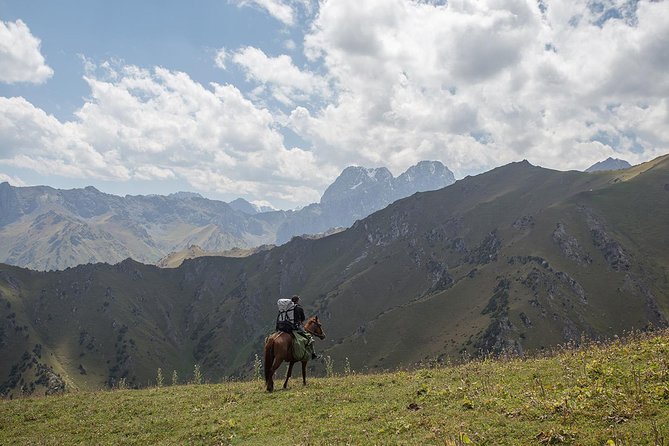
- High-pass views on horseback, including Airy Bell and Ak Tor.
- Beginner-friendly: no prior horseback experience needed, with guided support.
- Felt yurts each night and home-cooked meals that keep your energy up.
- Simba’s mountain guidance and photo help make the scenery easier to capture.
- A gear horse lifts the load: bring only what you truly need for the trek.
Horseback Trek in the Alay: how the experience really feels
This trip is built for motion: ride, stop, eat, and ride again. The mountain rhythm is the whole point. You’ll feel it on day one, when you’re just getting comfortable in the saddle, and again on the pass days where the trail tilts upward and your horse works harder too.
Because the group is capped at 6 people, you don’t spend the day waiting around. That matters in a place like the Alay, where the trail and horses set the pace. You also get a quieter kind of travel: fewer voices competing for space, fewer “herding” moments, and more attention on you and your horseman.
You’re also doing something more personal than a “sit-and-look” tour. You’ll watch and participate in traditional routines—especially on day three, with the milking and dairy-making demo. It’s the kind of cultural contact that feels practical, not staged.
The best part for me is that the trip doesn’t just sell scenery. It teaches you how to move through the mountains the way nomadic shepherds have done for centuries—still using felt yurts, still relying on horses, and still depending on the daily work of the landscape.
You can also read our reviews of more tours and experiences in Osh.
Pricing and value: why $1,020 makes sense here
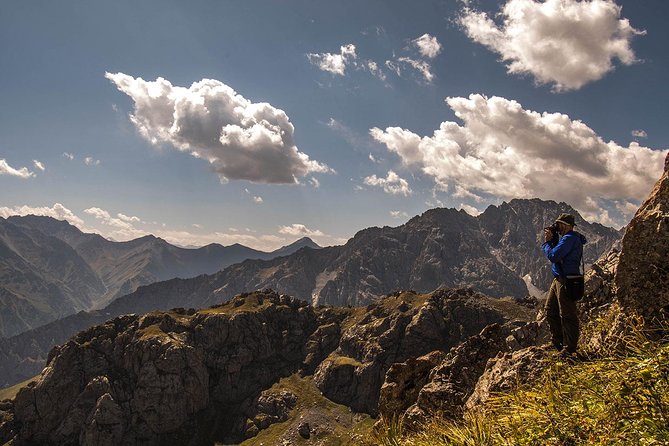
At $1,020 per person for about 5 days, this isn’t a budget impulse buy. But when you break it down, the price looks more like “all the moving pieces bundled together” than just a tour ticket.
You’re getting:
- Private transportation from Osh into the Alay area
- Horses included, plus a horse to carry your gear (15 kg/person)
- A dedicated horseman and an English-speaking guide
- Yurts each night (felt accommodation, not a hotel)
- Meals: breakfasts (4), lunches (5), dinners (4)
- Hot tea/coffee via a stove setup during the trek
That’s a lot of cost wrapped in animal logistics and mountain guiding. In many places, you pay extra for transfers, guiding, and basic camp support. Here, those things are part of the package, which is why this feels like a proper trek instead of a half-day experience stretched longer.
One more value point: the pass days (Airy Bell and Ak Tor) aren’t short scenic side trips. You ride for multiple hours, with measured ascents and descents each day, so you actually earn those panoramic views.
Day 1 in the Alay Mountains: Osh to Gulcha, then Tepshi camp
Your start is from Osh, and you’ll be picked up (private transport). Then you drive out to the trail area, traveling along the Pamir Highway to Gulcha before you begin riding. That drive matters because it helps you build context: you don’t just appear on a trail—you ease into the region.
Once you mount up, you ride about 12 km. The day includes a climb of roughly 1,218 m and a descent of around 154 m, which is a classic “get your legs used to the saddle” day. The route follows the Kara Bulak stream toward Tepshi camp, so you’re not riding randomly uphill—you’re following a natural corridor that shepherds would recognize.
Riding on dirt roads and along stream-adjacent terrain is a good first-day strategy. It gives you time to learn how your horse moves under you, how the group strings out, and how the guide calls pace changes. If you’re nervous, day one is where that nervous energy can turn into steady rhythm.
When the riding winds down, you settle into the felt yurt setting. Nights here aren’t “hotel comfortable,” but they’re the real deal: basic, warm, and practical for restoring your legs and getting ready for the passes.
Day 2: Airy Bell Pass and the hour-long steep push
Day two is where the trek starts to feel like a real mountain story. After breakfast, you ride 14 km with a climb around 613 m and a bigger descent around 1,087 m. The numbers help: you’re going up more moderately, then you’re spending more energy coming down.
The highlight is the ride to Airy Bell Pass. Your route begins from your yurt area on a small trail, and the summit push includes a steep, about hour-long ride. This is the part where your body remembers you’re on a horse that’s also working terrain—not a flat stroll.
What makes this day special is that the steep section forces a change in your focus. You stop overthinking and start “riding the moment”—breathing, keeping steady in the saddle, and trusting your horse and horseman. With a group of six, you also don’t feel like you’re stuck behind someone who’s going slower or faster than you can handle.
If you’re a first-time rider, this is still doable because you don’t have to “perform.” The guide and horseman do the hard work of route guidance and horse management. Your job is to stay loose, follow cues, and enjoy the view once you break over that pass line.
Expect a long day on paper—about 5 hours of riding—but it’s paced for mountain travel, not speed.
Day 3: milking, dairy-making, and an easy morning that still counts
Day three shifts the tone in a good way. You start with breakfast, then you get a milking and dairy-products demonstration using both horse and cow milk. Even if you’ve seen food demos before, this one hits differently because it’s tied to daily nomad life, not a museum-style performance.
After that, you’ll have an easy morning before you continue riding. Your distance is about 13 km, with an ascent around 1,020 m and a descent around 223 m. Translation: this is a day that builds elevation more than it drops, so you’ll feel the climb but not the same heavy downhill as earlier.
That matters for comfort. The legs that are tired from day two’s descent get a different kind of workout. Instead of spending the day fighting downhill, you focus on uphill steadiness and staying balanced.
This is also a day that makes the trek feel more human. Instead of only asking you to chase views, it reminds you why the landscape is lived in: animals, milk, processing, and all the small tasks that keep a community going in remote places.
Day 4: Ak Tor pass approach, river headwaters, and a short steep punch
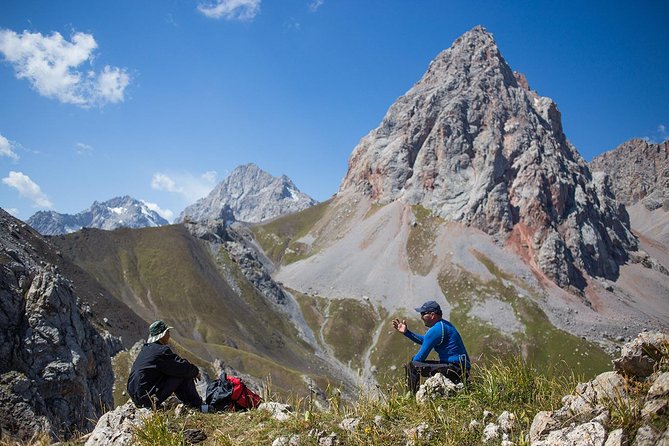
Day four has the feel of a “big day, focused work.” You ride about 14 km, with a climb around 757 m and a descent around 1,283 m, so downhill again plays a major role.
Breakfast sets you up, then you cross headwaters of the river and ride south toward the pass entrance. After that, the key moment comes: a short but steep 500-meter ride up to the summit. Think power hike for your legs—but you’re doing it on horseback, and your horse handles part of the steepness while you handle balance and timing.
This is a good day to be honest with your expectations. If you’ve been sitting all year, the combination of steep riding plus a long downhill can feel serious. If you’ve kept some walking or stair habits recently, you’ll likely find this day manageable because you’ve already learned the saddle rhythm in the first two days.
And once you crest the pass, the trip’s promise becomes real: Ak Tor delivers the kind of high viewpoint that makes the days feel worth it. That’s the moment you’ll want to slow down, stop chasing perfect photos, and just look—then let Simba help you get the shot angle if you want it.
Day 5: Kosh Moinok Pass to Murdash village, the final long ride
The final day is about finishing strong. You ride about 18 km, with an ascent around 846 m and a much larger descent around 1,515 m—so it’s the long one, and it’s downhill-heavy.
After breakfast, you follow the road toward Murdash village. First you ride up to Kosh Moinok Pass, and once you’re past the final rise, you snake down through the Murdash area toward the end of the trek.
This is the day where you’ll feel the cumulative effect in your body, especially if you’re not used to long hours in the saddle. The good news is that it’s also rewarding: you’ve already climbed to the big heights earlier, so today feels like a “careful, steady descent” where you can focus on smooth riding and enjoying the closing scenery.
If you’re the type who likes a clear finish line, day five gives you that. You’re not just wandering out—you have a planned route, a village destination, and the sense that the trek is winding down into something real and local.
Yurts, meals, and hot drinks: comfort that supports real riding
All nights are in felt yurts, which is part of why this trek feels authentic. It’s not about luxury. It’s about being warm enough, close enough, and simple enough to let you recover between ride days.
Meals are included—breakfasts (4), lunches (5), dinners (4)—and they’re described as home-cooked. That matters because trekking diets work best when the food is filling and not fussy. When you’re riding for hours, you need calories and steady energy, not gimmicks.
Hot drinks are also included, made with a stove setup for tea/coffee. In mountain weather, hot liquid is pure morale. It helps you warm up after a long descent and it makes the camp time feel like a reset instead of a pause.
Practical note: you may need a sleeping bag. It isn’t included, and the option listed is $30 per person. If you tend to get cold at night, you’ll want to plan for that early.
Horses, gear weight, and beginner confidence
Here’s the thing I appreciate most: the trek explicitly says no prior horseback experience is necessary. That doesn’t mean it’s effortless. It means the team is set up for teaching and safe pacing, and you’re not left alone with a saddle and good luck.
A big part of that safety and comfort is the logistics around your gear. You ride with horses, and there’s also a horse to carry your belongings at 15 kg per person. Translation: you don’t need to turn the trek into a backpacking expedition. Bring what you need, keep it sensible, and let the trek handle the rest.
On the riding side, you should still expect that different days feel different. One day might be steep and punchy; another might be longer and more downhill. Your horseman and guide are there to manage the group, but your comfort still depends on you staying relaxed and seated well.
The trip also lists moderate physical fitness as a requirement. This is not a “rest day” schedule. If you can handle regular walking and a few hills, you’ll probably be fine. If you’ve been sedentary, I’d start preparing now—because the saddle time adds up.
The guide team: why Simba’s style matters
A good trek guide isn’t just a route holder. It’s how you feel during the day: calm, capable, and not constantly worried about what comes next.
In this case, the guide Simba is specifically praised for being an excellent guide and a skilled photographer. What that means for you on the trail is simple: he can help you spot the moment when the light shifts, he knows where to position the group for views, and he can make photo stops feel quick instead of disruptive.
Even if you don’t care about photos, that kind of attention helps with confidence. When someone is tuned in to both safety and timing, the day flows better.
Add in a horseman alongside the guide, and you get a support system that’s tailored to horseback travel. Horses aren’t cars. They need care, and they need communication. This team setup is designed for that.
Who should book this Alay horseback trek?
You’ll like this trek most if you:
- Want real horseback riding for several days, not a short ride around a stable
- Prefer a small group and a more personal pace
- Enjoy being part of daily routines, like the dairy-making demo
- Want to sleep in felt yurts and eat camp food that actually supports activity
- Feel comfortable with moderate fitness and steep riding segments
You might think twice if you:
- Have issues with balance or long time in the saddle
- Hate steep climbs and downhill after days of riding
- Don’t want to manage cold at night (plan for a sleeping bag)
Should you book Visit Alay’s 5-day Alay trek?
If your goal is to ride the Alay Mountains like nomads do—high passes, felt yurt nights, and real cultural moments—this is a strong pick. The small group size, the included horses (plus the 15 kg gear horse), and the guided approach to passes make it feel like a complete trek rather than a patchwork excursion.
I’d book it if you’re prepared for saddle time and you’re okay with “comfortable enough” camping. If you want polished comfort and zero physical effort, you’ll be happier with something else. But if you want the kind of mountain trip you’ll remember when everyday travel feels too predictable, this one earns its price.
FAQ
Is prior horseback riding experience required?
No. The trip states that no prior horseback riding experience is necessary, and it’s designed for all levels.
How big is the group?
The maximum group size is 6 travelers.
Where does the trek start?
The experience is based in Osh, Kyrgyzstan. Pickup is offered, and the route begins with a drive to the area around Gulcha.
What type of accommodation do you use at night?
You sleep comfortably in felted yurts each night.
Do I need to bring a sleeping bag?
Sleeping bags are not included. The option listed is $30.00 per person.
What’s included in the price?
The tour includes private transportation, horses, a horse to carry your gear (15 kg per person), a horseman, an English-speaking guide, hot drinks setup (gas stove), plus meals: lunches, breakfasts, and dinners during the trek.
Can I cancel for a full refund?
Yes. There is free cancellation, and you can cancel up to 24 hours in advance for a full refund.