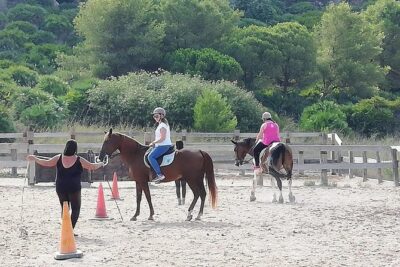
A horse safari in South Africa beats the usual open-vehicle routine. You’ll ride through a private game park on foot and at a trot, scanning for zebras, giraffes, waterbucks, and more without pushing wildlife out of its comfort zone. It’s also built for mixed riders, from first-timers to seasoned equestrians.
I love that the tour starts with a real safety setup and skill check, then matches you with the best horse. I also like the small scale: a maximum of 10 riders, which usually means you get more attention when you’re learning the basics. The one drawback to think about is the max weight limit of 210 pounds (95 kg), so heavier riders may need another option.
If you’re open to following instructions and staying alert on the saddle, this is the kind of Pretoria safari day that feels close to the animals—without feeling reckless.
In This Review
- Key things that make this horseback safari worth your time
- Why a Pretoria horseback safari feels different than a drive
- Where you start: Pinto’s Lodge in Cullinan (and what to do once you arrive)
- The ride schedule: morning starts at 08:30, plus a second departure option
- Safety first: helmets, chaps, and how they match you to the right horse
- Wildlife viewing on horseback: what you can look for (and how to spot it without panicking)
- Lunch and coffee or tea: the break that makes a 4-hour safari feel complete
- Group size and guide attention: why max 10 riders matters
- Price and value: is $65 per person a fair deal?
- Who should book (and who should rethink it)
- Quick practical checklist before you go
- Should you book Horseback Africa’s horseback safari near Pretoria?
- FAQ
- Do I need prior horseback riding experience?
- What time does the morning horseback safari start?
- How long is the tour overall?
- How big are the groups?
- What animals might I see during the ride?
- What safety gear is included?
- What are the age and weight limits?
Key things that make this horseback safari worth your time
- Small group pacing (max 10 riders) helps you get help fast and keeps the ride calmer.
- No prior riding experience required, with a safety briefing, demonstration, and horse matching.
- Safety gear included (hard helmets and leather half-leg chaps) for a more comfortable ride.
- You ride through a private reserve, giving you a better chance at close wildlife encounters.
- Lunch plus coffee or tea included, so the day has an actual meal, not just snacks.
Why a Pretoria horseback safari feels different than a drive
Most safaris are about sitting still and scanning. This one flips the script: you’re on a horse, moving at walk and trot through a private game reserve. That changes the whole rhythm. You notice details you’d miss from a vehicle—how animals react to sounds, how the ground feels under hooves, and how quickly your attention zooms in when something steps into view.
It’s also a smart way to “get closer” in a responsible way. The goal isn’t chasing. You keep your eyes peeled for animals like zebras and giraffes, and the tour style is meant to avoid disturbing wildlife. When it works (and it usually does), the scenery feels alive, not staged.
Finally, I appreciate that this isn’t marketed only to experienced riders. If you’ve never mounted a horse before, you’ll still be able to join.
You can also read our reviews of more tours and experiences in Pretoria.
Where you start: Pinto’s Lodge in Cullinan (and what to do once you arrive)
You’ll meet at Horseback Africa – Pinto’s Lodge, located at 12 & 13 De Tweede Spruit, Cullinan, 1000, South Africa. The activity ends back at the same meeting point, which is handy—you don’t have to plan extra transport at the end of your ride.
Once you arrive, expect the day to begin with the safety flow and the check-in that comes before anyone goes near the horses. They provide hard helmets and leather half-leg chaps, which means you’re not hunting for rentals or guessing what’s available on-site.
One practical note: they offer lockers with a key deposit. If you bring a camera, phone, or small day bag, this is where you’ll likely stash items you don’t want bouncing around during the ride. It’s the kind of detail that prevents stress later.
The ride schedule: morning starts at 08:30, plus a second departure option
There’s a morning option and an afternoon option. The morning Horse Safari starts at 08:30am, and runs for about 3.5 hours. The overall tour is described as approximately 4 hours, so plan for a little buffer around the ride time and the pre-activity briefing.
Here’s the flow you can expect:
- A safety briefing with an experienced guide, covering safety points and assessing your riding skill level.
- A short demonstration before you mount and begin riding.
- A 2-hour ride through the private reserve.
That structure matters. The safety briefing isn’t tacked on. They check your skill level, then pair you with the most suitable horse. That’s important for first-timers, and it’s also nice for experienced riders who want to feel challenged without being thrown into something mismatched.
Safety first: helmets, chaps, and how they match you to the right horse
Safety isn’t just a slogan on this tour. You’ll get comfortable lightweight helmets and half-leg chaps. Well-fitting safety equipment is emphasized because it changes how secure you feel in the saddle—especially when you’re learning cues like when to sit, when to hold, and when to move naturally with the horse.
Before riding, your guide will do two key things:
- Run a safety briefing for everyone together.
- Assess your riding skill level and pair you with the best matching horse.
That horse matching is one of the best parts of the experience if you’re new. You’re not expected to be an expert on day one. The tour is set up for riders ranging from first-time to advanced, and they’ll work with you throughout to help you improve while staying aware of your need to feel safe.
If you’re the type who likes clear instructions, this is a good fit. You’ll get that quick demonstration so you’re not guessing what to do when the ride begins.
Wildlife viewing on horseback: what you can look for (and how to spot it without panicking)
Your job during the ride is simple in theory: keep your eyes peeled for animals. In practice, it takes attention—because you’re riding, listening, and moving at the same time.
You’ll be watching for creatures such as:
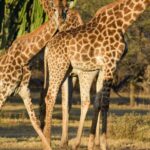
- Giraffe
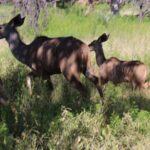
- Kudu
- Waterbuck
- Zebra
- And other wildlife in the area
The big advantage of horseback over a parked vehicle is the pace. You can often get closer in a way that feels less disruptive, since you’re moving as the reserve allows—not barreling in. The tour is designed so you can observe without stirring things up.
Also, you’re likely to notice how different animals react depending on distance and sound. When you’re at walking pace, you can often pick up changes sooner—like when a group becomes alert or when something pauses to look back.
Tip for your own comfort: focus your spotting with short checks. Look ahead for movement, then sweep slowly. Don’t stare so hard that you tense up your body on the horse. Staying relaxed helps you stay steady—and steady helps you see.
Lunch and coffee or tea: the break that makes a 4-hour safari feel complete
A lot of “adventure” tours forget food until you’re already wiped out. This one includes lunch and coffee or tea. That’s a big deal for value, because it means you’re not paying extra during the day or cutting the safari short to find a meal.
You should also plan how you’ll use the included break. If you want photos, coffee/tea is usually the time to check your camera battery and wipe lenses before you head into the ride if you’re waiting around a bit. If you like to keep things simple, just enjoy the reset and don’t overthink it.
Beverages are not included beyond that. If you want other drinks, there’s a cash bar available.
Group size and guide attention: why max 10 riders matters
This is a maximum 10 riders experience. That number is small enough to create two practical benefits:
- You’re less likely to feel lost if you’re new to riding.
- Your guide can manage the group and still give feedback.
With horses, timing matters. If someone is unsure, it affects spacing and pace. Small groups help the guide correct quickly, and it keeps the ride from turning into a chaotic line of riders.
The flip side is that you should show up ready to participate. This isn’t a passive show. You’re actively part of the ride, and the guide needs everyone cooperating.
Price and value: is $65 per person a fair deal?
At $65 per person, the price is easier to judge if you count what you actually get. You’re not just paying for access to a reserve view. You’re paying for:
- A guided horseback safari through a private game reserve
- Safety briefing and demonstration
- Horse matching by skill level
- A 2-hour ride
- Helmet and leather chaps
- Lunch and coffee or tea
- Lockers with a key deposit
That bundle is the core value. If you’ve ever booked a “hands-on” tour without included food or safety gear, you know how quickly costs stack up. Here, the essentials are handled, so you’re mostly spending on the experience itself.
One caution for budget planning: the experience is non-refundable and cannot be changed for any reason. That means if your dates aren’t solid, you’ll want to think twice before booking. If your schedule is firm, then the value is strong.
Who should book (and who should rethink it)
This tour makes sense if you want an authentic-feeling safari day where you’re moving with the landscape instead of watching from a distance. It’s also ideal if you’re curious but not confident with horses, since no prior riding experience is required and first-timers are taken through the basics.
You might rethink it if:
- You’re over the 210-pound (95 kg) limit.
- You need a fully seated, low-movement tour (this involves riding at walk and trot).
- You’re uncomfortable with safety equipment and following a briefing closely.
It’s also a nice option for people who like a smaller group dynamic. If you prefer quiet attention from a guide over crowd energy, 10 riders max is a big plus.
And if you’re traveling with a service animal, service animals are allowed.
Quick practical checklist before you go
Because you’ll be on horseback, come prepared to move and stay comfortable:
- Plan for the included helmet and half-leg chaps—wear clothing that won’t cause major friction.
- Bring your camera plan. If you store items in lockers, do it early so you’re not scrambling during the ride.
- Wear shoes appropriate for a saddle environment, since you’ll be stepping around and getting into position before mounting.
If you’re prone to losing focus, use a simple strategy: relax your shoulders, keep your eyes moving, and let your guide’s instructions set the pace.
Should you book Horseback Africa’s horseback safari near Pretoria?
If you want a safari that feels closer to the animals in a responsible way, and you like the idea of learning on the job, I think this is a smart book. The combination of private reserve riding, small group size, and included safety gear plus lunch makes the price easier to justify.
It’s also a strong choice if you’re a first-time rider. The safety briefing, demonstration, and horse matching are built into the experience, not added after you’re already mounted.
Just be sure your travel dates are stable, because the ticket is non-refundable and not changeable. And double-check the 210-pound (95 kg) limit before you commit.
FAQ
Do I need prior horseback riding experience?
No. The tour takes first-time riders and supports everything from beginners to more advanced riders.
What time does the morning horseback safari start?
The morning safari starts at 08:30am and runs for approximately 3.5 hours.
How long is the tour overall?
The horseback safari is listed as about 4 hours, with the ride itself described as around 2 hours (plus briefing and setup time).
How big are the groups?
The group size is kept small, with a maximum of 10 riders.
What animals might I see during the ride?
You’ll keep your eyes peeled for wildlife such as giraffe, kudu, waterbuck, zebra, and more.
What safety gear is included?
Hard helmets are provided, along with leather half-leg chaps for comfort and safety.
What are the age and weight limits?
The maximum weight limit is 210 pounds (95 kilograms). The minimum age is 12 years unless the child is currently receiving formal lessons.
—
If you want, tell me your travel month and whether you’re more of a morning or afternoon person, and I’ll help you pick the most sensible departure time for wildlife viewing vibes and comfort.