REVIEW · REYKJAVIK
Icelandic Horse Riding and Whale Watching Tour from Reykjavik
Book on Viator →Operated by Special Tours Iceland · Bookable on Viator
Two icons of Iceland, on one schedule. I love the small-group feel and the way your guide keeps the ride smooth and safe, even if you are new to horses. I also love the Icelandic horses’ easy, four-beat tölt gait as you move across lava-strewn terrain. The main catch: whale sightings are never guaranteed, and fog or rough visibility can lower your odds.
You start at 10:00, ride for about 2.5 hours, then head into Reykjavik Old Harbor for high-speed whale watching in Faxaflói Bay. The whole thing runs about 5 hours 30 minutes, and it is designed to get you out to the feeding grounds fast.
In This Review
- 5 Key Things That Make This Combo Worth Your Time
- Getting From Reykjavik Into Real Horse Country
- Ishestar Stables: How the Horse Ride Starts
- Tölt on Trails: Why These Icelandic Horses Ride So Differently
- The Photo Stops and the Pace That Actually Works
- Old Harbor to Faxaflói Bay: The Whale Watching Part
- Whale Sightings: What You Can Control, and What You Can’t
- Comfort, Noise, and Deck Time on a Hi-Tech Boat
- Small-Group Value: Guides Who Actually Watch You
- Price: Is $233.08 a Good Deal?
- Who This Tour Fits Best (and Who Might Want Another Option)
- Practical Tips to Make the Day Run Smooth
- Final Call: Should You Book This Reykjavik Horse and Whale Tour?
5 Key Things That Make This Combo Worth Your Time
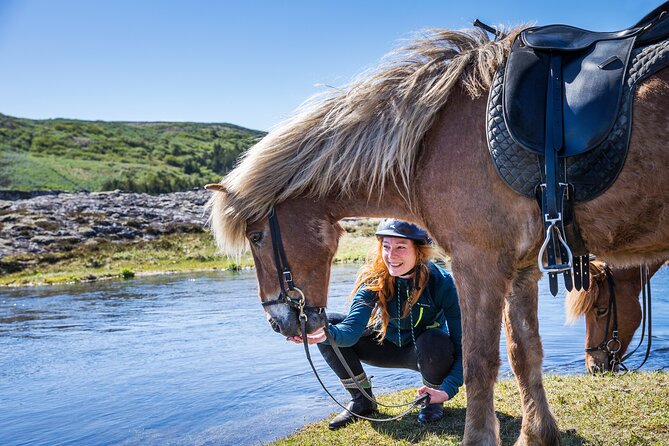
- Max group size of 5 keeps the horse portion from feeling rushed or chaotic
- Helmets, rubber boots, and rainwear handle the big safety and comfort questions
- Tölt makes the ride smoother than you might expect on rugged ground
- Fast boat transfer (20–30 minutes) means more time scanning for whales
- Try-again ticket if nothing is seen on the whale portion softens the risk of bad conditions
Getting From Reykjavik Into Real Horse Country
This tour is built for people who want more than a city stop. You begin with a pickup from your Reykjavik hotel and head to the stables just outside town. The meeting point for the horse portion is Ishestar Horse Riding Centre on Sörlaskeið 26 in Hafnarfjörður, and your start time is 10:00.
What I like here is the pacing. The day does not drag. You get a proper stretch of riding time before you switch gears and go whale hunting by boat.
Also, the tour is offered in English and is typically a small group (up to 5 travelers). That matters. Fewer people means your guide can actually watch what you are doing and adjust on the fly.
You can also read our reviews of more tours and experiences in Reykjavik.
Ishestar Stables: How the Horse Ride Starts
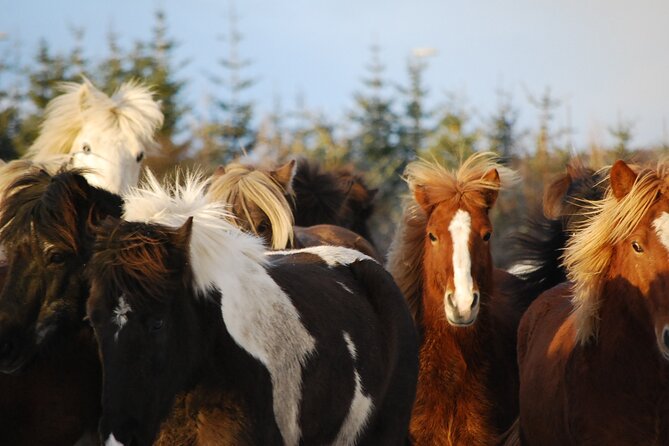
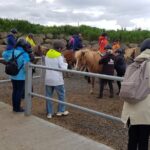
Once you reach the stables, the tone shifts from travel mode to hands-on safety mode. You get a helmet, and they fit you with rubber boots plus rainwear and warm clothing as needed. Then you listen to a safety briefing before you mount.
You are not just handed a horse and wished luck. The guides aim to place you with a horse based on experience, and they also split groups by riding ability. In one review, a rider felt nervous at first, and the staff helped them feel at ease. That kind of calm, practical coaching is exactly what you want when you are about to sit on an animal that is not used to your travel-day energy.
One useful detail: you will have time to settle in and get your bearings with your horse before you start riding out.
Tölt on Trails: Why These Icelandic Horses Ride So Differently
The Icelandic horse is the star of the show, and the key feature is tölt. It is a four-beat gait that helps keep the ride steadier than you might expect on rough Icelandic terrain.
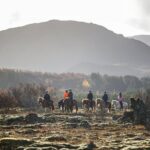
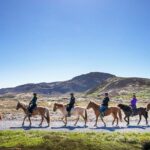
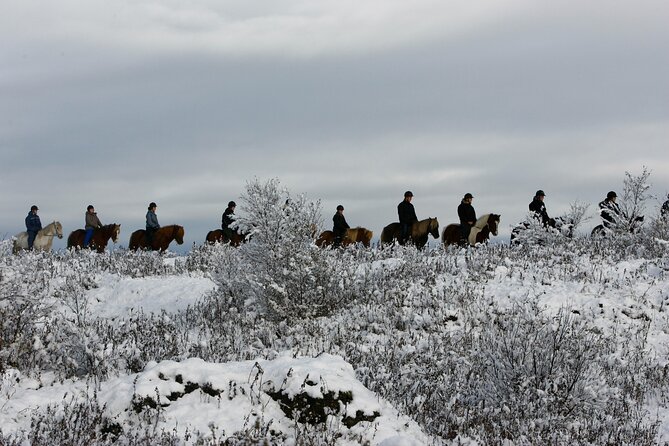
On this tour, you ride for around 2.5 hours. Along the way, you stop for photos of the lava-covered terrain, and you follow trails through remote moorland and fields. If you have ever watched Iceland from afar and wondered what it looks like up close, this is the answer—quiet, volcanic ground under your boots and wide-open space around you.
If you are experienced, you may find the ride offers more energy depending on the group split. If you are newer, you will likely spend more time in the steadier pace and focus on control and comfort.
Two limits to know before you book: the minimum riding age is 7, and there is a weight limit of 110 kg / 240 lbs. Also, riders age 14 and up need written parental permission if riding alone.
The Photo Stops and the Pace That Actually Works
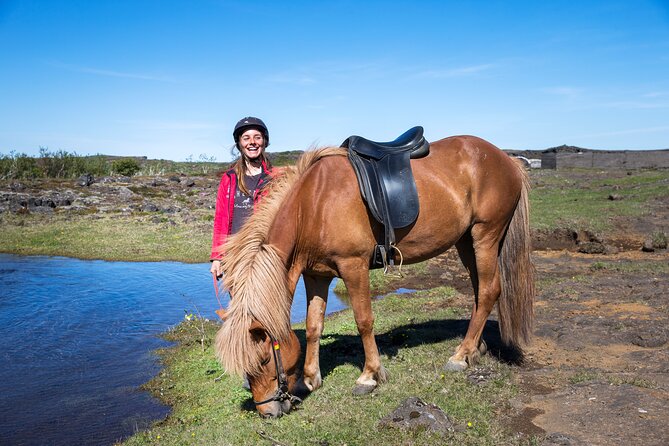
This is not a sprint tour. Your route includes time to look around and take photos, not just hold on and hope. The guides keep things moving but also allow pauses to take in what you are riding through.
You also get a clear rhythm: start at a steady walk, ride for a long stretch, then come back to the stables. After that, you transfer to Reykjavik Old Harbor for the whale portion. That structure is one reason people like this combo. You get two full experiences without one swallowing the other.
A small practical note: the terrain is rugged. Even with tölt, you should expect some movement. Wear layers that you can move in, and trust the warm gear they provide.
Old Harbor to Faxaflói Bay: The Whale Watching Part
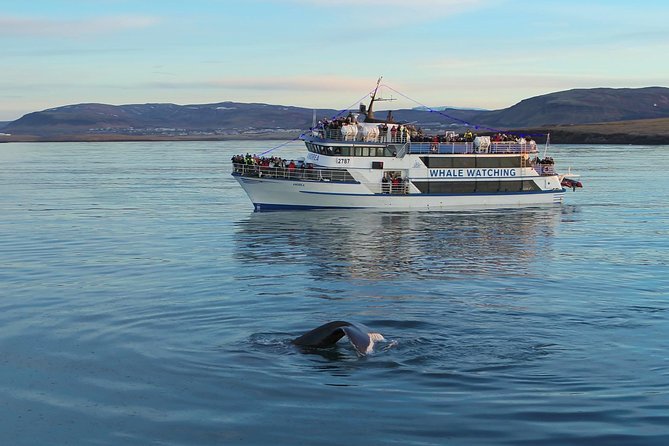
After the ride, you head to Reykjavik Old Harbor. There is free time for lunch that you pay for yourself. Then you board a high-speed boat that is designed for whale watching.
The boat ride to the feeding grounds takes only about 20–30 minutes. That short run is a big deal. It means you spend more time scanning the water and less time bouncing on open seas.
Then you switch into warmth mode. You put on coveralls for the boat portion—this is one of the smartest inclusions on a tour that might include a lot of deck time. You can sit on deck or in the indoor cabin, and you’ll have onboard Wi‑Fi.
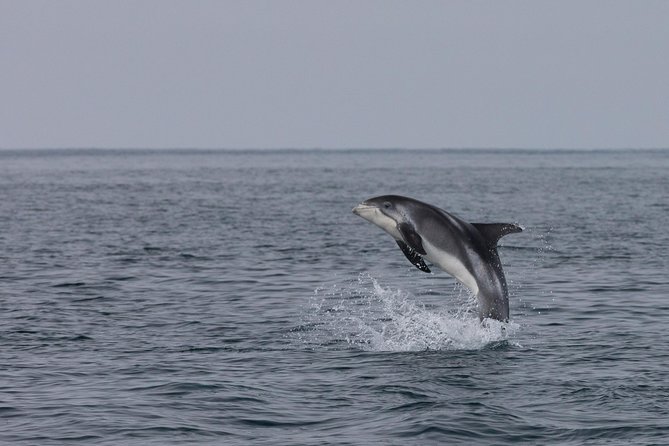
As you move into Faxaflói Bay, you get commentary while the boat speeds along. The tour lists the most common sightings in the bay as minke whales, humpback whales, harbour porpoises, and white-beaked dolphins.



Whale Sightings: What You Can Control, and What You Can’t
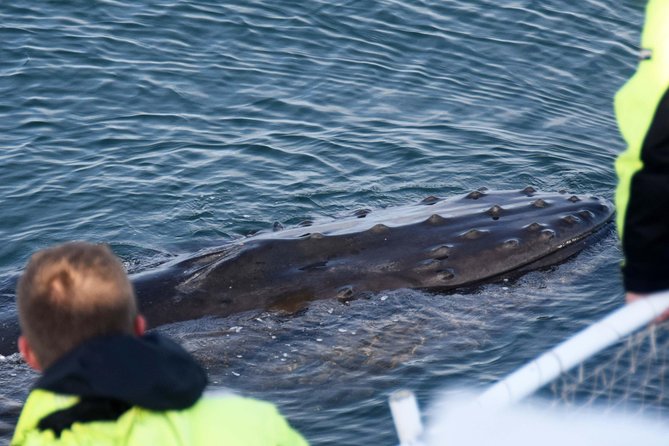
Here is the honest part: wildlife sightings are not guaranteed. Fog, sea conditions, and whale movement all play a role. The tour explicitly says that if you do not spot whales or dolphins, you get a complimentary ticket to try again on the next available day.
In the reviews, I see two patterns. When conditions are clear, people often describe close, exciting sightings—one mention includes humpback whales very near the boat. On the other hand, fog or poor visibility has led to disappointing results, and there are also cases where the whale portion was canceled due to weather.
So what should you do with that info? Plan like this is a chance to see whales, not a ticket that guarantees them. If you are flexible with your schedule and you have another day in Reykjavik, the try-again option matters a lot for your peace of mind.
Comfort, Noise, and Deck Time on a Hi-Tech Boat
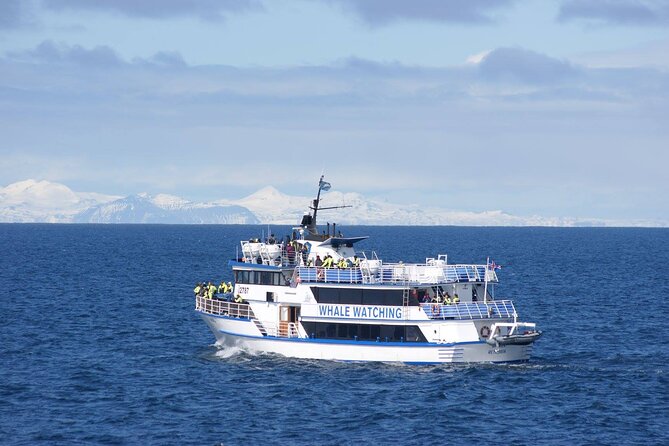
This boat is described as fast and comfortable, with high-tech design features for whale watching. That usually translates into better viewing than an older vessel that feels like it was built for cargo.
Still, comfort is not the same as quiet. One review complained about the speaker sound during the whale portion. I cannot predict whether your sailing will have the same issue, but if you are sensitive to loud announcements, bring earplugs. That is a small investment that can save your day.
Also, dress for cold deck time even if you warm up inside. The tour supplies warm overalls and encourages you to dress appropriately for varied weather, and you will likely appreciate the extra warmth when you go from stables to harbor to open water.
Small-Group Value: Guides Who Actually Watch You
The tour’s best overall selling point is the small group size. Up to 5 travelers means you get real guidance, especially during the horse portion. You are not just a passenger. You are part of a short, guided training session on Icelandic horses.
Across the reviews, what stands out is the staff attitude: attentive, patient, and focused on getting riders comfortable. One review even describes staff helping a child who was scared by walking the horse instead. That is exactly the difference between a stressful ride and a confident one.
There is also a human element in problem-solving. One rider missed the pickup due to delays, and staff worked to get them to the stables in time. That may not happen on every trip, but it tells you something about how the operation handles real-world travel chaos.
Price: Is $233.08 a Good Deal?
At $233.08 per person, you are paying for two activities that each cost meaningful money on their own in Iceland: a guided horseback ride plus a guided, hi-speed boat whale hunt.
What makes the price feel more reasonable is what is included. You get riding helmet, rubber boots, and weather gear for the horse portion. For the boat ride, you get warm coveralls and even onboard coffee/tea/hot chocolate right after the riding segment. You also get onboard Wi‑Fi, plus the try-again voucher if whales or dolphins are not spotted.
In a country where almost everything has a premium price tag, this combo is a rare case where you are not paying extra for the big comforts. You are paying for an efficient day plan, and the inclusions reduce your need to buy gear.
The main reason you might hesitate is the same reason any whale tour costs what it costs: you cannot force whales to show up. The try-again ticket helps, but you still need some schedule flexibility.
Who This Tour Fits Best (and Who Might Want Another Option)
This tour is a strong fit if you want variety without adding extra days. It works well for:
- Couples and small groups who want a quieter, more personal ride
- First-timers to Icelandic horses (the horses are built for easy riding and tölt)
- People who are willing to dress warm for a boat and scan the water for a while
You might consider a different approach if:
- You only care about guaranteed whale sightings. This tour does not promise them.
- You are very schedule-tight and cannot use the try-again option if your first sailing is skunked.
- You dislike narration sound or get easily annoyed by audio on boats. (It can happen, depending on the sailing.)
Practical Tips to Make the Day Run Smooth
First, plan your day around warmth and layering. You ride outside and then you wait and move around at the harbor and on the boat. Dress appropriately for Iceland’s changing weather, and rely on the provided gear where it helps.
Second, bring patience for transitions. You are moving from stables to Old Harbor on a schedule that is optimized for whale hunting. If lunch runs long, you may lose momentum. Keep lunch simple and leave yourself time to get back aboard.
Third, if you have any riding concerns, say it early. Guides split groups and match horses by ability. Nervous riders often do best when they communicate up front so the staff can place them with the right pace and horse.
Finally, have a camera ready, but also look up and out. One review praised how the guides pointed out what was happening on the water and how photo opportunities were built into the ride. You will want both: photos and real attention.
Final Call: Should You Book This Reykjavik Horse and Whale Tour?
I recommend booking this combo if you want an efficient Iceland day that combines a genuinely Icelandic animal with a real shot at whales in Faxaflói Bay. The small group size, the included riding and warmth gear, and the tölt-focused horse experience make the land portion feel special even if you are not a hardcore horseback person.
Your biggest risk is the same as every whale trip: conditions and timing. Fog can limit visibility, and you might not see whales. Still, the complimentary try-again ticket gives the plan some backbone.
If you can keep one extra day in your back pocket and you are excited about Icelandic horses, this is one of the more satisfying ways to spend half a day beyond Reykjavik.