REVIEW · MALLORCA
Mallorca: Authentic Horseback Ride in Rural Mallorca
Book on GetYourGuide →Operated by Mallorca Horses · Bookable on GetYourGuide
Trotting across rural Mallorca is pure therapy. I love how this ride mixes real time on horseback with open countryside—so you are not just walking around looking at scenery. You also get a small-group setup and a pre-ride lesson that helps you feel ready for the more active parts of the route.
Two things I especially like: the long trots and gallops on wide trails, and the fact that you start with a short training session in the sand arena before you head out. And yes, the horses are chosen to match your level, which matters a lot for your confidence.
One consideration: this is geared to riders with some experience and good physical condition, and there are weight and participant limits. If you are unsure, ask the guides before booking so you get the pace that fits you.
In This Review
- Key things to know before you ride
- Why This Rural Ride Beats the Usual Mallorca Day
- Meet Your Andalusian Partner: Horse Prep and Safety First
- The Sand Arena Warm-Up: Learn Position Before You Ride Out
- Randa Valley to Open Fields: What the 4 Hours Actually Feel Like
- Pace, Power, and Control: Enjoy Trots and Gallops the Right Way
- After the Ride: Horse Care, Shower, Refreshments, and Instructor Photos
- Price and Value: Is $177 Worth It for a 4-Hour Ride?
- Practical Stuff You Need to Know Before You Go
- Who This Excursion Fits Best (and Who Should Skip It)
- Should You Book This Rural Horseback Ride in Mallorca?
- FAQ
- How long is the horseback ride?
- What is the price per person?
- Do I need to have riding experience?
- What should I wear and bring?
- Is a helmet provided?
- How big is the group?
- What languages are the instructors?
- Where do I meet the group if I use the bus option?
- Is transportation to the stable included?
- Who is this not suitable for?
Key things to know before you ride
- Active pace in nature: Expect stretches where you can trot and even canter, not just a slow loop.
- Andalusian horses, matched to your level: Horse selection is based on rider ability.
- Short sand arena coaching: You get guidance on handling and position before leaving the property.
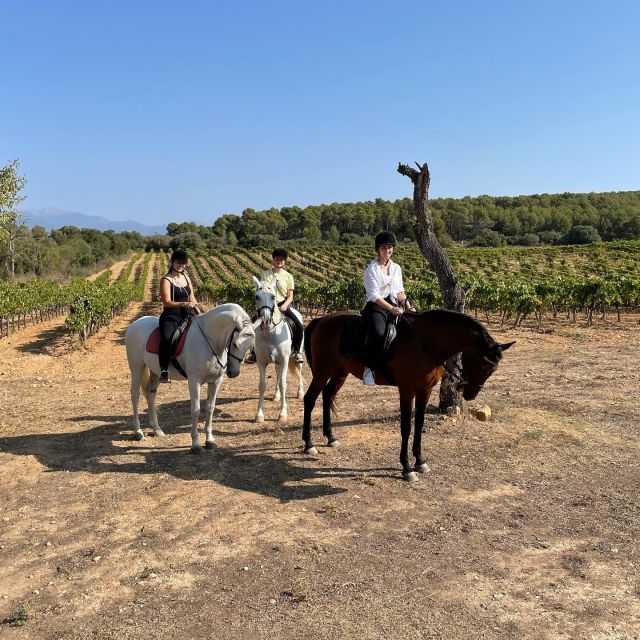
- Randa Valley + open farm country: Holm oak groves and forest paths connect to almond, olive, and cultivated fields.
- Small group size: Limited to 6 participants for more personal attention.
Why This Rural Ride Beats the Usual Mallorca Day
Most Mallorca excursions try to pack in too much, too fast. This one is different because it stays focused on a single, physical experience: riding. You trade crowds for wide trails and the steady rhythm of your mount, which is exactly what makes it feel authentic.
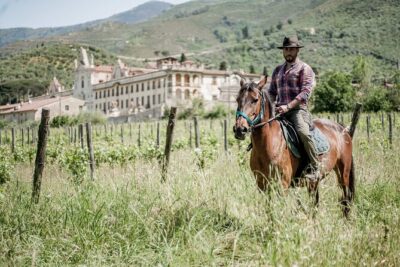
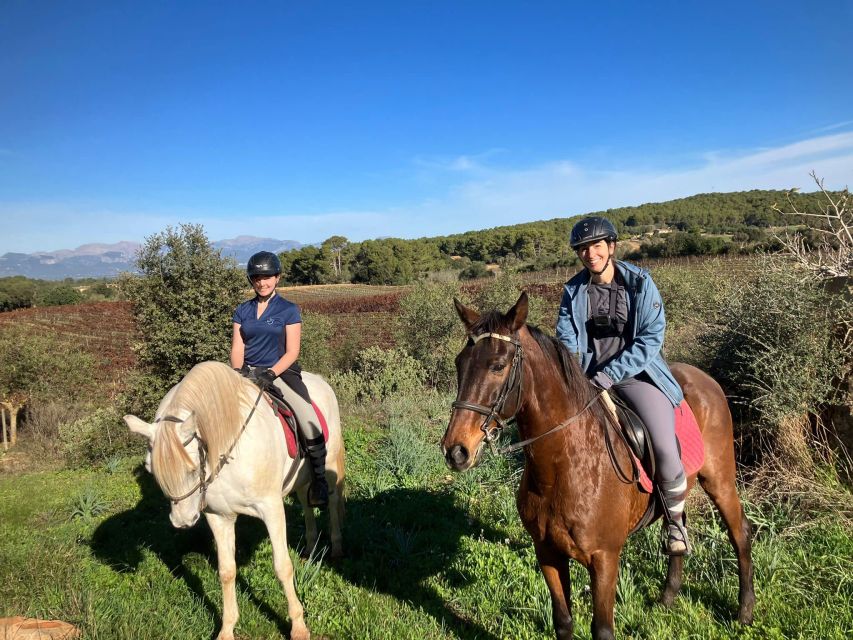
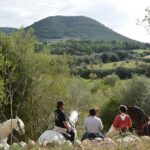
What I find refreshing is the route design. You move through holm oak groves and forest paths in the Randa Valley, then you open out into farmland country with almond trees, olive groves, and cultivated fields. It is a true “out here in Mallorca” feeling, the kind you do not get from a bus window.
The vibe is also more about doing than watching. You are not just admiring the countryside—you are inside it, moving with your horse across rural paths.
You can also read our reviews of more tours and experiences in Mallorca.
Meet Your Andalusian Partner: Horse Prep and Safety First
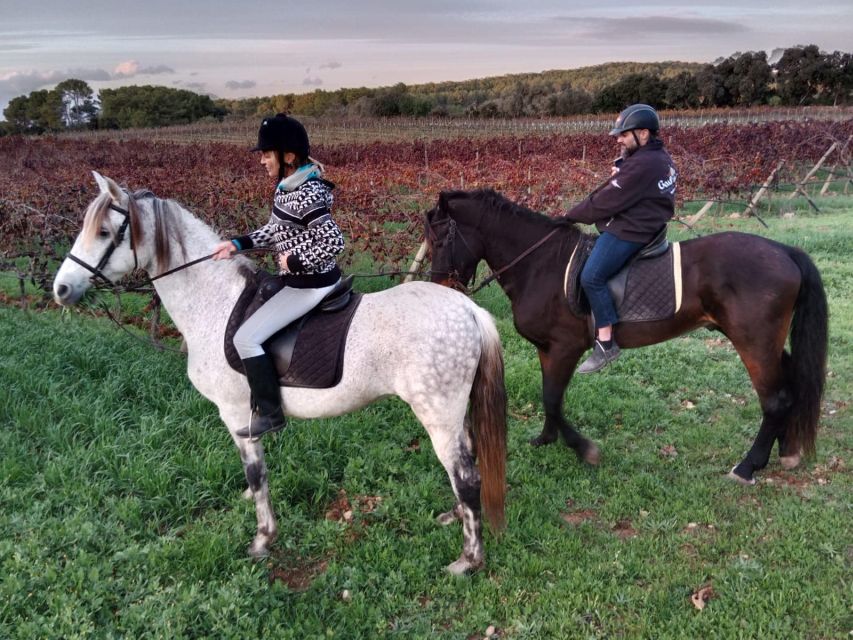
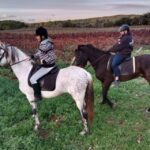
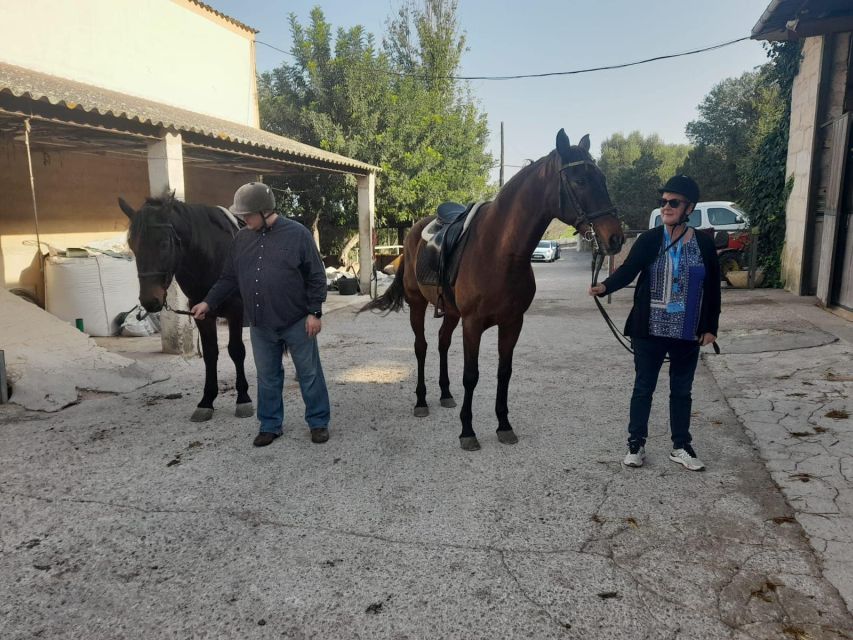
Your experience starts with a warm welcome and hands-on time with the horses. Before you ride out, you get help preparing the horse and learning the basics of handling. That matters because it sets expectations: you are not just hopping on; you are working as a rider with your animal for a few focused hours.
Helmet use is mandatory, and you will get one as part of the experience. There is also horse monitoring through the guides, plus a pre-ride approach designed around rider level. In plain terms: if you are nervous, the structure helps you settle quickly.
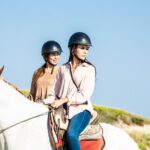
The group stays small (up to 6 participants), which is a big deal when you are learning to control your pace. A smaller group means the instructor can correct your seat and comfort sooner, and you are less likely to feel lost in the shuffle.
The riding monitor plus the choice of horse by level is also where the “authentic” part turns practical. A powerful, responsive horse is fun, but only when it matches you. That is why horse selection matters more than people think.
The Sand Arena Warm-Up: Learn Position Before You Ride Out
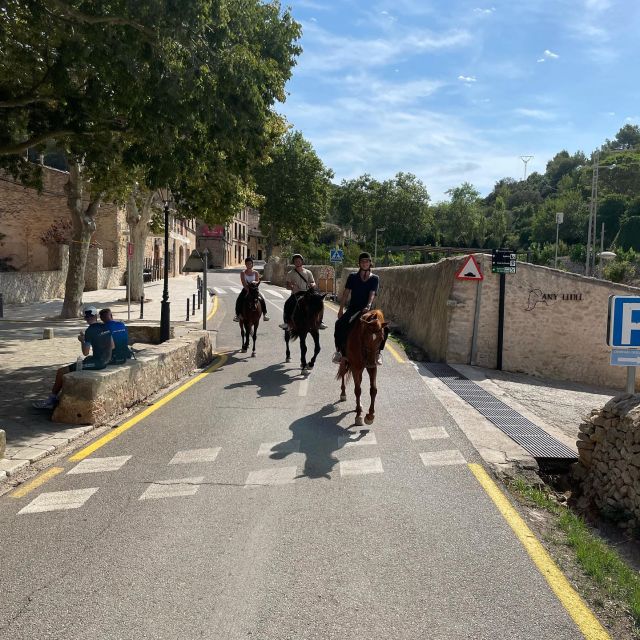
Right after the welcome and horse prep, you do a short session in an arena with sand. This is not long, but it is useful. You get coaching on handling and your position, so you can get your bearings fast before the terrain gets more interesting.
This warm-up is especially important because the ride is designed for an active style later: long trots and canters on wide trails. If you skip the coaching, you can end up fighting the motion. With the arena guidance, you are more likely to ride with the rhythm instead of against it.
Even if you already ride, this part helps you sync with the specific horse you are assigned. Every horse moves differently, and seat and rein feel can change a lot from one animal to another.
And you get that calm, guided start that helps first-time riders feel supported. The overall tone from the experience is that you are taught, not thrown into it.
Randa Valley to Open Fields: What the 4 Hours Actually Feel Like
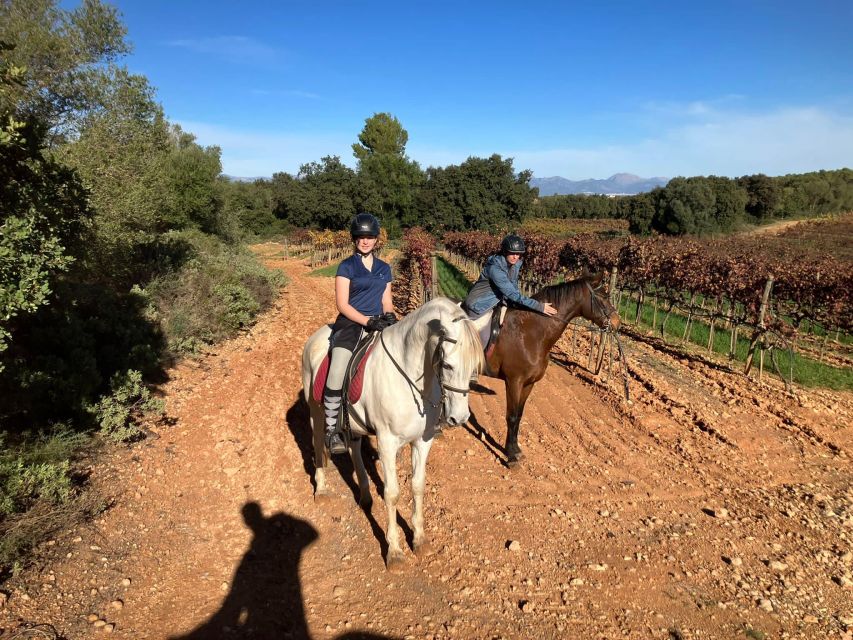
Once you head out, the route follows a classic Mallorca rhythm: shade and texture, then open views and slower turns into faster movement.
In the Randa Valley, you ride through holm oak groves and along forest paths. This section feels cooler and more enclosed, with natural footing and a chance to build confidence at a steady pace. It also helps you get used to the horse’s transitions—how it moves from walk to trot and back.
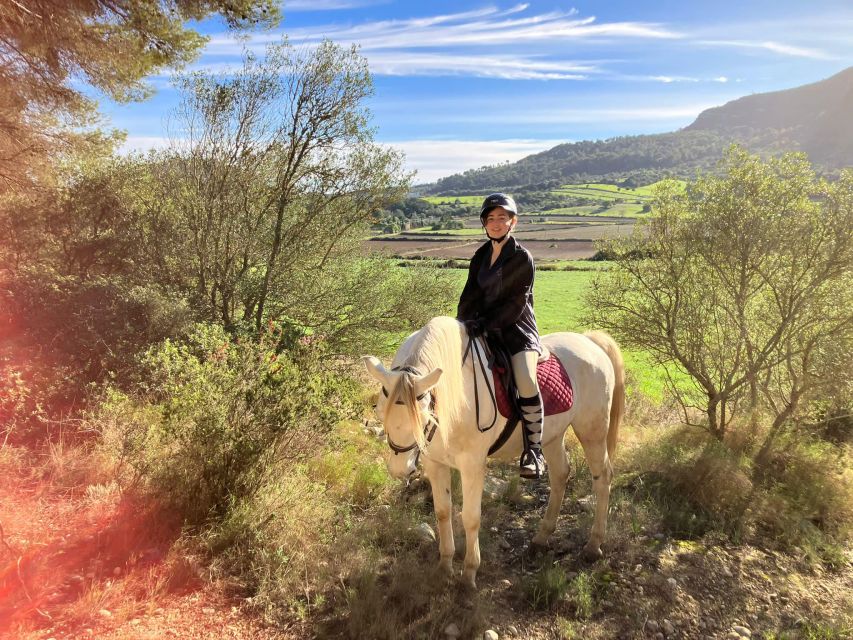
Then you gradually enter the open countryside: almond trees, olive groves, and cultivated fields. This is where the ride becomes more fluid. Wide trails and green open areas give you room to trot and canter longer, and you can feel what “freedom of riding” means in practical terms: the path is broad enough to let your horse stretch out while you stay balanced.
The pace is meant to be dynamic. At the same time, it is not one-size-fits-all. The guides adapt the pace and the ride development to ensure safety and a personalized experience. So if you are comfortable, you will get more active riding time. If you need steadier progress, you should feel that adjustment.
In a 4-hour block, this is a good mix. It avoids the “one short ride then you wait” feeling, because you spend real time moving through different types of terrain.
Pace, Power, and Control: Enjoy Trots and Gallops the Right Way
This is an “active riders” ride, and that is exactly why it feels special. Long trots and even gallops are part of the design, not a random bonus. But you will enjoy it more if you ride with a few simple goals.
First, sit steady and let the horse’s motion guide you. A trot is not a bumpy drill; it is a pattern. When you lock into the rhythm, your body relaxes and the ride feels smoother.
Second, use your focus to match your speed. When the trail opens up, your job gets simpler: stay centered, keep your hands calm, and let the instructor cues do their work. The guides are there to help you interpret what your horse is doing.
Third, remember that your horse is responsive, but you are still the steering wheel. The experience includes monitoring and coaching, so you are not expected to do everything alone. If you feel unsure at any point, it is better to ask and adjust early rather than pushing through.
The biggest takeaway: you are not just holding on and hoping. You are learning how to ride the pace the route offers—trotting with control and cantering with confidence.
After the Ride: Horse Care, Shower, Refreshments, and Instructor Photos
The time does not end when the saddle comes off. You also get help with horse care, including aseo y ducha del caballo (cleaning and a horse shower). That part may sound like a small detail, but it adds meaning. You leave feeling like you spent time with the animal, not just used it.
You also receive refreshments. After riding for hours, even a small drink and snack break feels like a reset rather than an afterthought.
And you get photos taken by the instructor. This is helpful because riding moments can be hard to capture yourself. You can focus on riding and still have images to remember the day.
Together, these “wrap-up” pieces create a complete experience: training, riding, and responsible interaction with the horse.
Price and Value: Is $177 Worth It for a 4-Hour Ride?
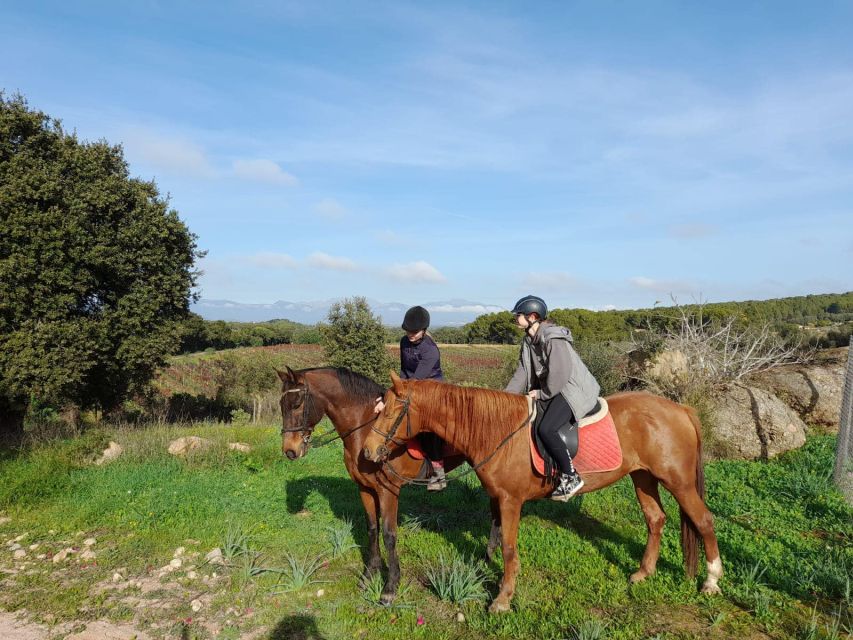
At $177 per person for about 4 hours, the price is not bargain-bin. But it is also not just renting a horse and letting you go.
What you get for that cost is a lot of built-in value:
- Helmet provided and required
- Horse selection based on your level
- Prep and handling guidance
- A sand arena class before riding out
- Instructor-led excursion with monitoring
- Horse cleaning and shower time
- Refreshments
- Instructor photos
- RC insurance included
Those inclusions matter because they remove uncertainty. You do not have to guess what safety gear you need, or whether you will get real coaching. You also avoid the common “pay more for basic help” problem.
One cost you should consider separately is transportation. Transport to the hípica is not included. The good news is that there are bus options into Llucmajor and Algaida, where a van picks you up at set meeting points. If you are not staying in those towns, you will want to confirm how you will get to the stable.
So the real value equation is simple: if you want a guided, coached, longer active ride in a small group, this price starts to make sense.
Practical Stuff You Need to Know Before You Go
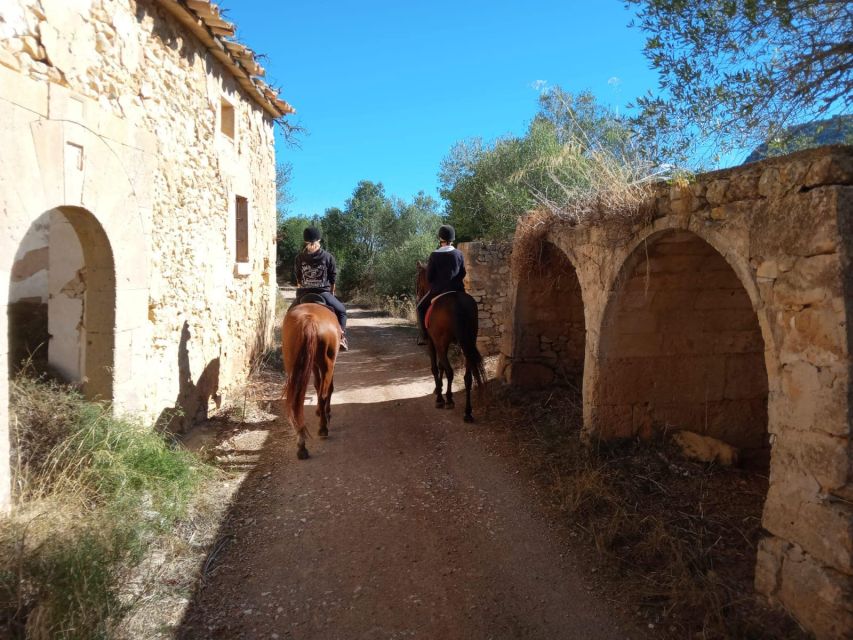
This ride has a few straightforward requirements that affect comfort.
What to bring:
- Long pants
- Closed-toe shoes
What is not allowed:
- Sandals or flip-flops
- Weapons or sharp objects
- Littering
- Fireworks
The “closed-toe” and long-pants rules are about safety and contact points. If you show up in sandals, you will be uncomfortable and you will not be set up for proper foot support.
There are also limits:
- Children under 7 are not suitable
- Pregnant women are not suitable
- People over 243 lbs (110 kg) are not suitable
- Mobility impairments are listed as not suitable, even though wheelchair accessibility is mentioned
That last point is worth a quick check before you book. If mobility support is an issue for you, contact the provider and make sure the situation works for your specific needs.
Language options are strong, with instructors in English, Spanish, German, Catalan, and French. So you should be able to get clear guidance on what to do.
Finally, the ride is designed for small groups (max 6). That makes the instruction feel personal and helps you learn faster.
Who This Excursion Fits Best (and Who Should Skip It)
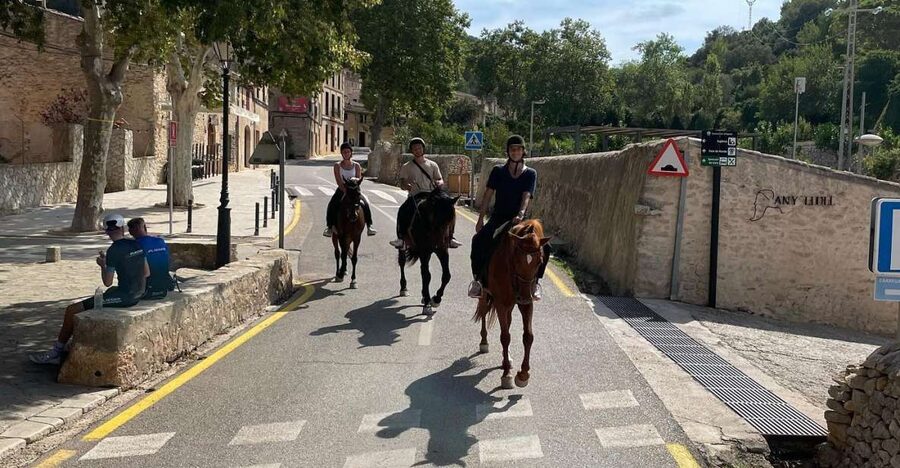
This is best for riders who want motion, not just a leisurely stroll. If you like active stints—long trots and canters—this is the right kind of horseback experience.
It is also aimed at riders who have at least some experience. That said, the guides adapt the development based on the group and your comfort. If you are in good physical condition, you can still have a great time even if you are not an expert rider.
It may not fit you if:
- You want a fully calm, slow ride with minimal training
- You are traveling with very young kids
- You are pregnant
- You exceed the weight limit
- You have mobility limitations that require adaptations you cannot safely get here
If you are a confident beginner and you can follow safety instructions, your success will depend on whether you can comfortably handle the horse movement and changes in pace. The arena warm-up is there to help, but the ride still assumes you can stay engaged physically.
Should You Book This Rural Horseback Ride in Mallorca?
Book it if you want a dynamic, guided horseback experience in real countryside. The mix of valley forest paths and open farmland is practical and memorable, and the coaching step before leaving the property makes it easier to enjoy the faster parts of the ride.
Skip it if you are looking for something gentle and mostly stationary. This one is built around active riding, with a pace that gets going when the route opens up.
Before you commit, do three quick checks:
- Do you meet the age and weight limits?
- Do you have the right clothing (long pants and closed-toe shoes)?
- Are you comfortable with an experience that starts with an arena lesson and then moves to trots and canters?
If you answer yes, you are likely to leave with exactly what you came for: a true Mallorca horse day, not a short photo stop.
FAQ
How long is the horseback ride?
The duration is 4 hours.
What is the price per person?
The price listed is $177 per person.
Do I need to have riding experience?
The ride is designed for riders with some experience, but the guides adapt the pace based on the group and your level. Good physical condition is important.
What should I wear and bring?
Bring long pants and closed-toe shoes. Sandals or flip-flops are not allowed.
Is a helmet provided?
Yes. A casco obligatorio (mandatory helmet) is included.
How big is the group?
It is a small group, limited to 6 participants.
What languages are the instructors?
The instructor language options include English, Spanish, German, Catalan, and French.
Where do I meet the group if I use the bus option?
You can arrive by bus to Llucmajor and Algaida, then a van picks you up at the meeting points provided.
Is transportation to the stable included?
Transport to the hípica is not included. You are asked to contact and ask about it.
Who is this not suitable for?
It is not suitable for children under 7, pregnant women, people with mobility impairments, and people over 243 lbs (110 kg).